

A Facebook group is a simple way to reach potential customers and build an active, engaged community. With the right strategy, you can make your group stand out and attract new members. In this article, we’ll explore how to promote a Facebook group using methods that work for professionals.
Setting up your Facebook group
Before you start promoting your Facebook group, make sure it’s set up properly. First, choose a name that reflects the interests of your target audience and the topic of the group. Include relevant keywords to help people find it in Facebook search. For example, a group called “Fitness and Yoga – Your Path to Better Health and Fitness” makes its focus clear from the start.
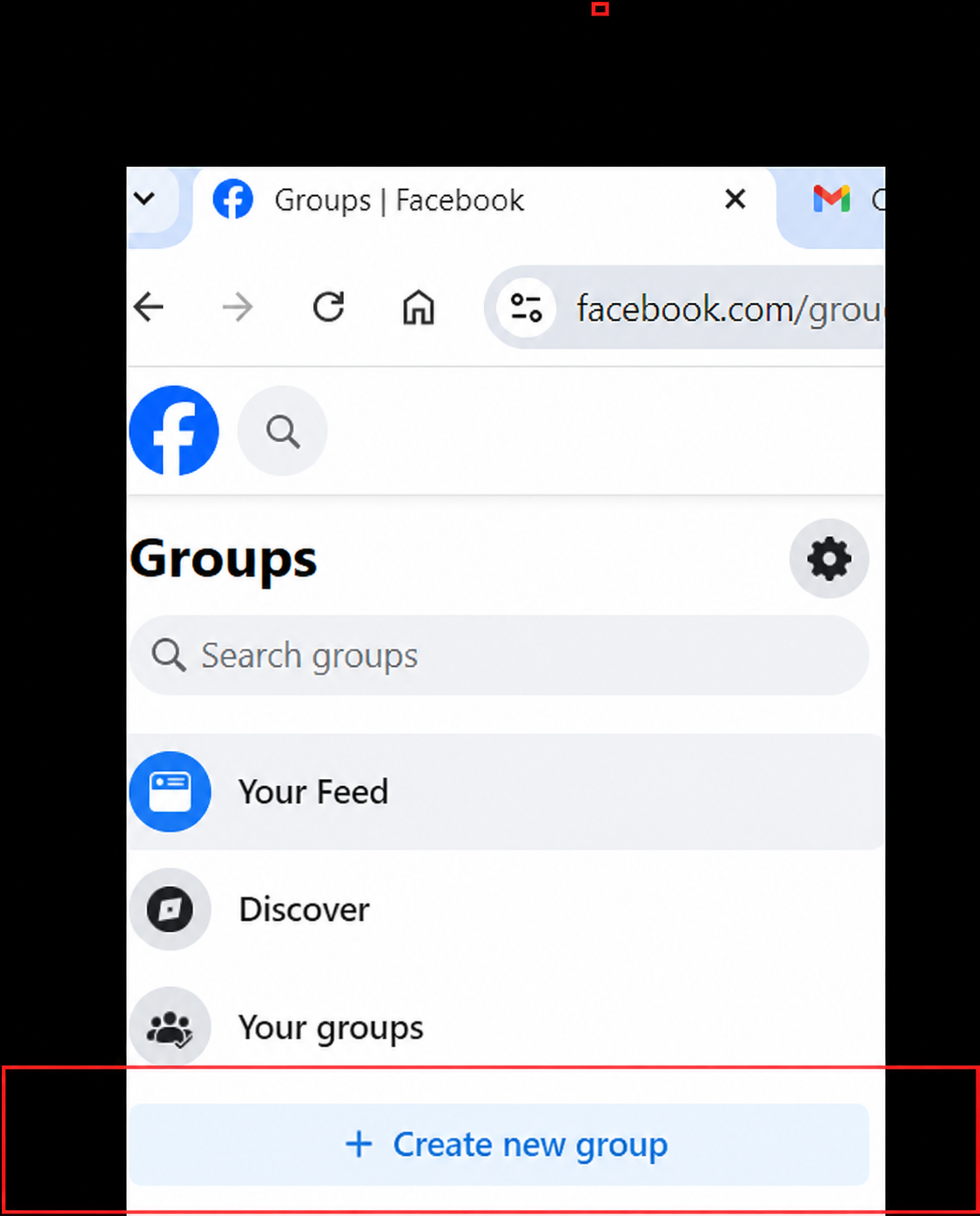
Next, add an appealing cover photo and a detailed group description explaining its purpose and main topics. Be clear about what members can expect to find in the group. A well-written description helps potential members decide whether the group is right for them.
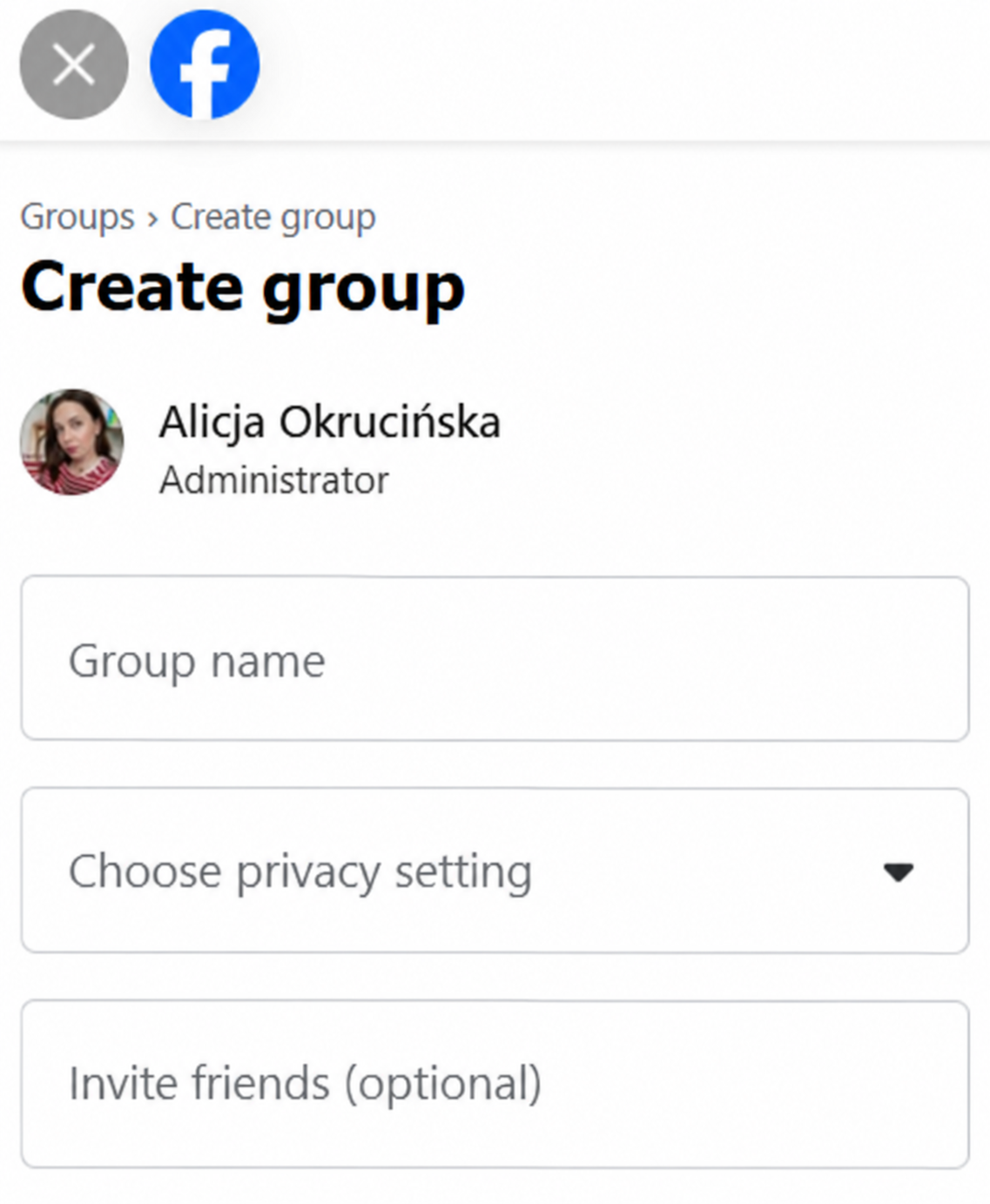
You’ll also need to decide whether your group should be public, meaning anyone can find and view its content, or private, where access is limited to members approved by the administrators. Privacy settings can have a significant impact on how safe members feel and the overall quality of the community.
Private groups can offer members a greater sense of exclusivity and security. You can also set up membership questions that prospective members must answer before joining. These questions help you attract people who are genuinely interested in the group’s topic and more likely to participate.
Creating valuable content for group members
The key to building a community around your Facebook group is to publish valuable, engaging content regularly. Create posts that address your members’ needs and interests, as this encourages participation and helps build a stronger community. Share useful information, tips, industry insights and inspiration. You can also post articles, infographics, tutorial videos or live streams.
Use a variety of content formats, including photos, videos and links, to encourage members to interact and join discussions. Respond to their activity and comments to build relationships and a sense of belonging. You could also introduce recurring themes, such as a “Question of the Week” or a “Monthly Challenge”, to give members a reason to get involved.
Welcome posts and questions that invite comments are particularly effective. Ask questions or share content that encourages discussion. The more value members get from your group, the more likely they are to participate regularly and recommend it to others.
Strategies for promoting your Facebook group
Once your group is properly set up and you’ve built a solid foundation of engaging content, it’s time to promote it to a wider audience. Here are some effective ways to promote your Facebook group.
1. Use existing channels
If you have a website and already use other communication channels, such as an email newsletter, company blog, social media profiles or YouTube channel, use them to let your existing audience know about your Facebook group. Promoting your group across social media can help it grow faster and build a community around your brand. Add a link to your newsletter footer, at the end of blog posts or in your YouTube channel description.
You can also promote your group by posting about it on your existing social media profiles. The more places you use to spread the word, the more opportunities you have to reach new people.
2. Invest in paid advertising
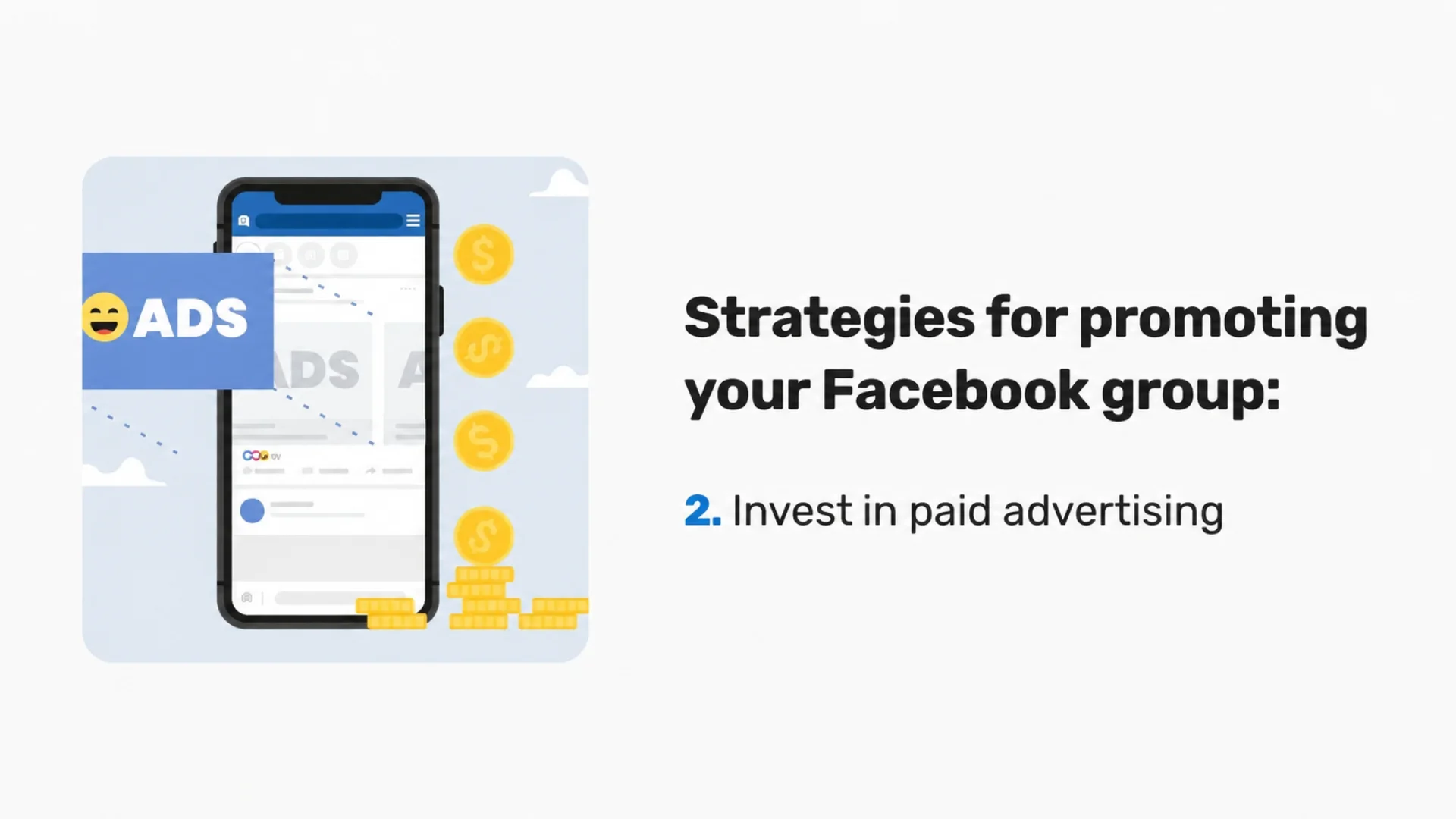
Another way to promote your Facebook group is through paid advertising. A Facebook ad campaign can help you reach potential new members. If you have an advertising budget and a Facebook Ads account, you can create a campaign focused on a specific objective, such as Engagement or Traffic, and include a link to your group to increase its visibility. Precise targeting helps you reach people who are likely to be interested in your content.
You can also promote your group through paid advertising on other marketing channels, including search ads (Google Ads), display ads on websites and social media advertising, such as Instagram Ads and LinkedIn Ads.
3. Collaborate with influencers
Partnering with influencers in your industry is an effective way to reach new audiences and increase your Facebook group’s visibility. Influencers can help establish your group as a trusted source of expertise and attract active members who are genuinely interested in its topic.
Ask them to share information about your group on their channels or organise a joint event, such as a live Q&A session, where they can invite their followers to join.
4. Run contests and promotions
Few things encourage people to join a group like contests and promotions. 😊 Offer attractive prizes, discounts or free product samples in exchange for taking part in a contest within your private group.
If you run an online shop or offer services in a particular field, contests can also help you promote your products or services and grow your business.
Building an online community
Successfully promoting a Facebook group is about more than attracting new members. The real challenge is creating an active, engaged community that encourages people to stick around. How can you achieve this?
Moderation and encouraging discussion
As a group admin, your role is to moderate discussions, answer members’ questions and start new conversations. In larger groups, regular moderation and prompt responses to comments are essential. Publish new posts regularly, ask thought-provoking questions, host live Q&A sessions or invite members to share their experiences and opinions.
It’s also important to respond promptly to comments and questions and enforce the group’s rules and guidelines. This helps maintain a positive atmosphere and encourages members to participate actively.
Building relationships
To create a genuine online community, you need to build relationships with group members. Learn about their interests, challenges and needs, then tailor your content and activities to their preferences. Keep an eye on the quality of interactions in the group and look for ways to improve communication by gathering feedback from active members. Encourage people to share their stories, experiences and successes, and take the time to comment on and acknowledge their contributions.
You can also organise online or in-person events, such as webinars, workshops or industry meetups, to help members connect and feel part of a larger community.
Group moderation
Moderation is essential for keeping larger Facebook groups organised and safe. Here are four ways to manage your community effectively:
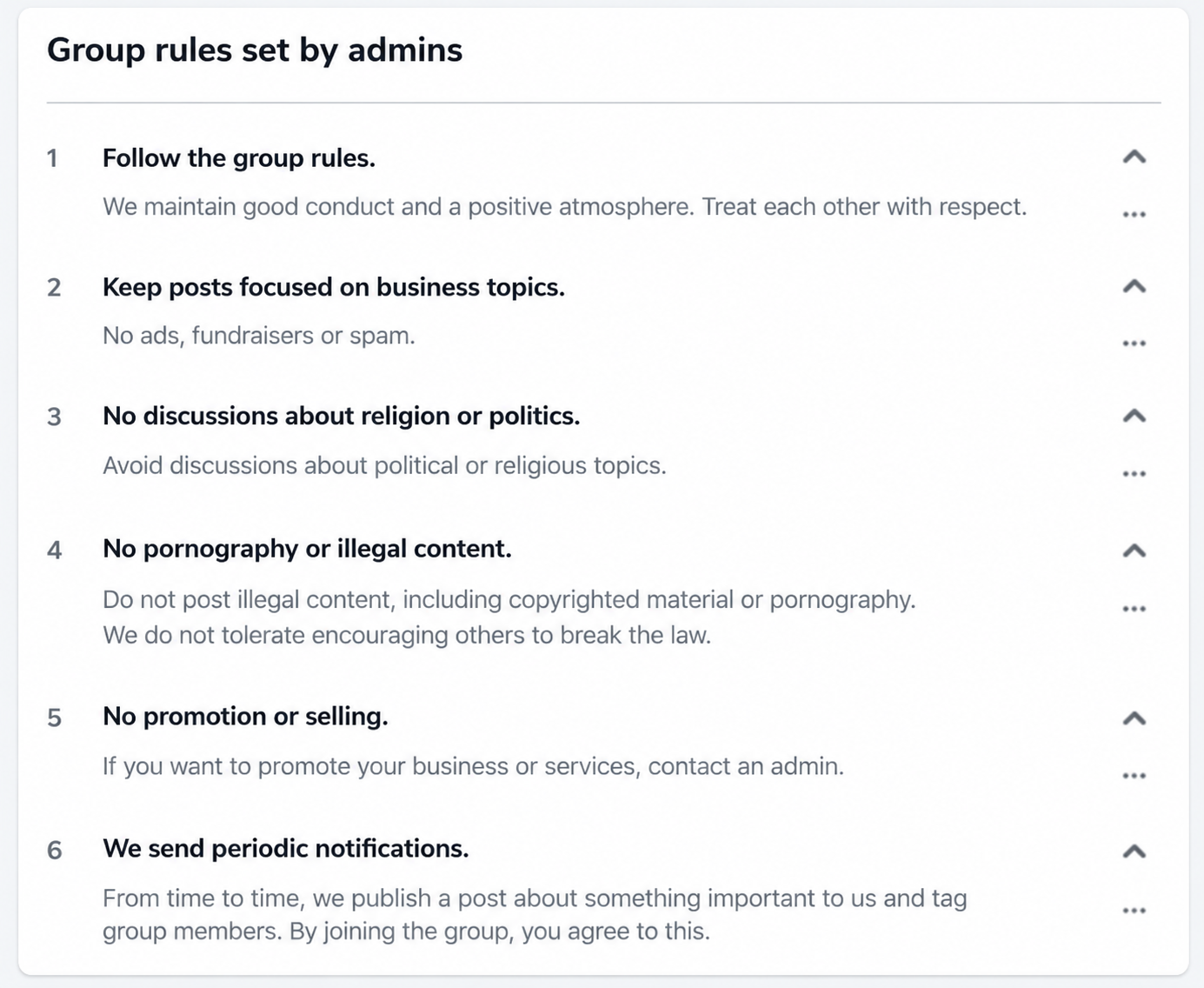
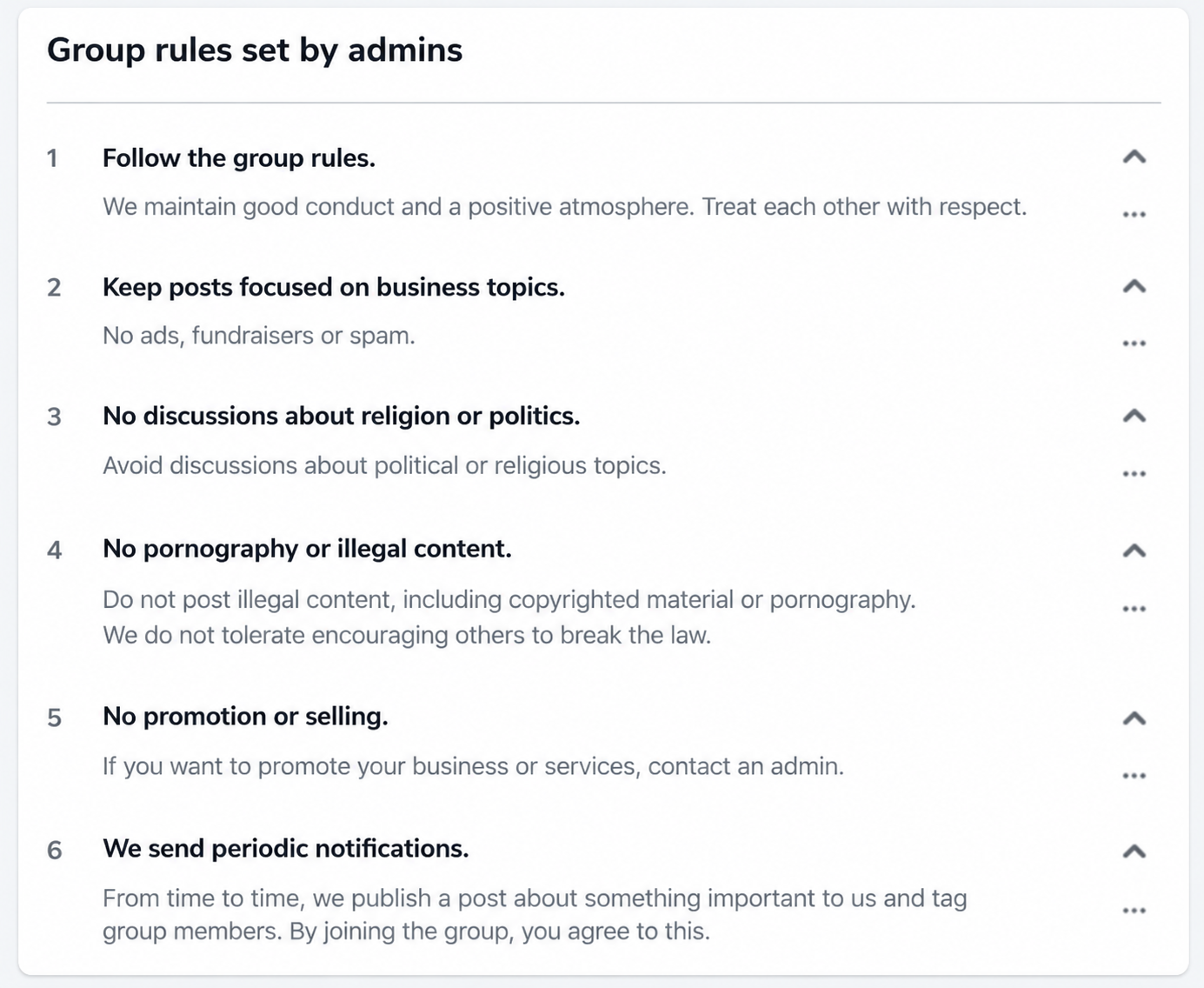
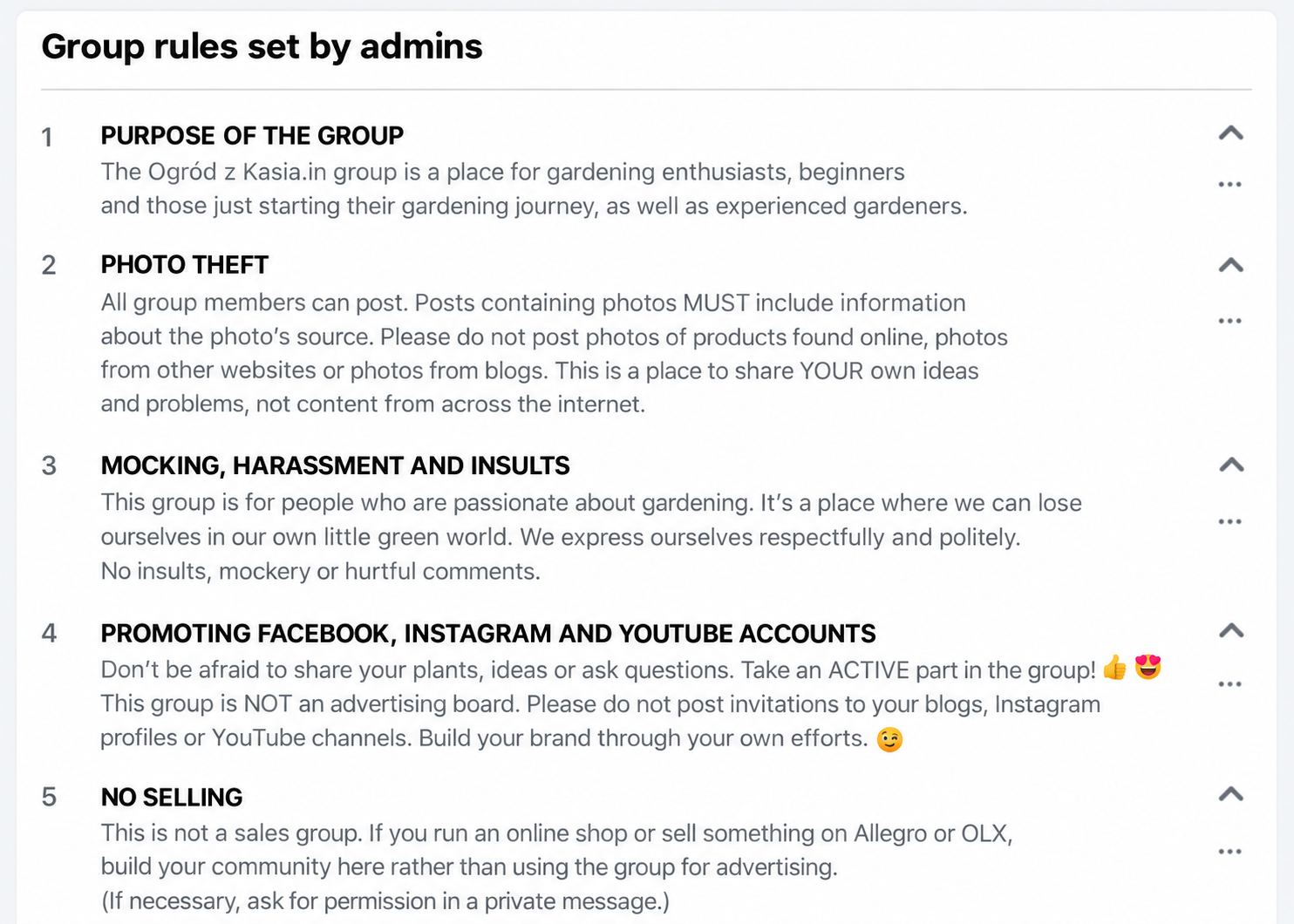
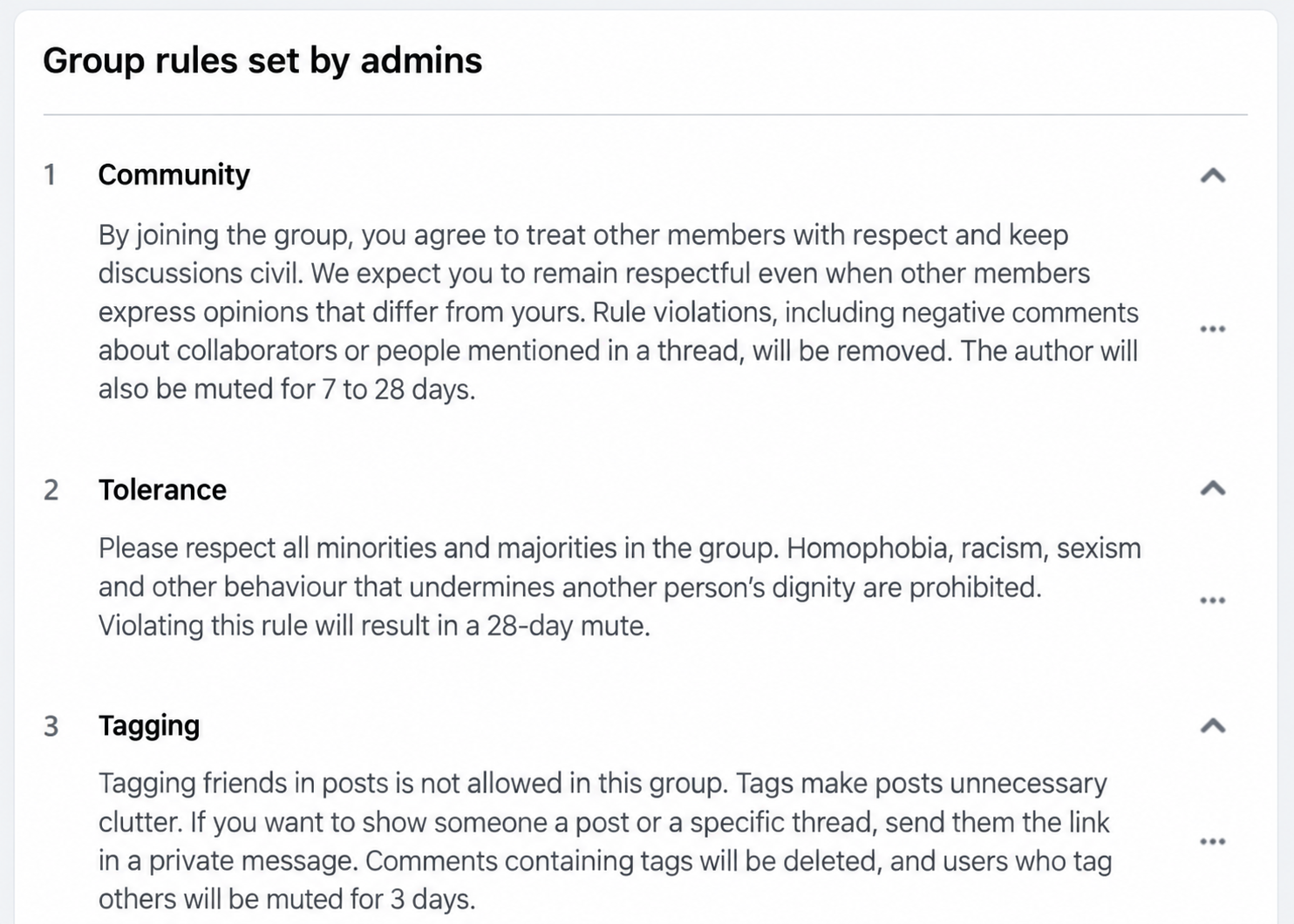
- Set clear rules and guidelines. Establish rules for posting, identifying yourself and inviting friends to the group. You can also set guidelines on advertising, spam and inappropriate content.
- Make sure new members know the rules. Ensure that everyone reads the guidelines before joining. You can do this by pinning a welcome post that outlines the group’s most important rules.
- Monitor activity and respond to violations. Regularly review group activity and act promptly when rules are broken or inappropriate behaviour occurs. Avoid being overly restrictive, though, as this can discourage genuine interaction and open discussion. Remove inappropriate content, comments or members when necessary.
- Appoint moderators as your group grows. Choose trusted, active members to help monitor activity, answer questions and enforce the group’s rules.
Data analysis and optimisation
Wondering how to promote your Facebook group effectively? Regularly review its performance and adjust your strategy based on the data. Facebook offers a range of analytics tools to help you track key metrics and identify areas for improvement.
Analysing your group statistics
Your group page provides useful statistics, including member numbers, activity levels, the most popular days and times, and post reach. Tracking your most popular posts helps you tailor engaging content to your community’s interests and encourage greater participation.
If you notice that most group activity happens at certain times or on specific days, schedule new posts and content accordingly. This can help increase their reach and engagement.
Tracking ad performance
If you use paid Facebook ads to promote your group, make sure you track their performance. Facebook Ads Manager provides reach and campaign performance data that can help you optimise your advertising budget and campaign objectives.
Analyse the results to identify the most effective ad formats, target audiences and targeting strategies. Then refine your campaigns to maximise return on investment (ROI) and attract new members to your group.
Gathering feedback from members
In addition to analysing statistics, you can collect feedback and suggestions directly from group members. Use surveys, discussions or live Q&A sessions to ask about their experiences, preferences and expectations. Find out what they think of your content, activities and the group as a whole, then use their feedback to refine your strategy and make improvements that increase engagement and member satisfaction.
Encourage members to invite friends
One way to attract new members to your Facebook group is to encourage existing members to invite their friends. Recommendations from active members can be an effective way to grow a group organically on social media. People naturally trust recommendations from those they know and respect, making this a valuable way to reach new audiences.
However, avoid putting too much pressure on members. Some may feel uncomfortable being asked to invite friends, so give them the choice and avoid making it feel like an obligation.
Need help promoting your Facebook group?
Promoting a Facebook group can take time and effort, especially if you have limited experience in online marketing. If you need professional support, Rodin, our marketing agency, can help.
Our team specialises in social media promotion and Facebook advertising campaigns. We know how to build active, engaged online communities.
We tailor our approach to each client’s needs and goals, developing an effective promotion strategy, putting it into action and continuously refining it to improve results.
Working with Rodin saves you time and effort while helping you get more from your marketing investment.
Want to explore the options for promoting your group? Get in touch with Rodin. We’ll be happy to answer your questions and help you find the right approach for your business.
Frequently asked questions about promoting a Facebook group
Start with the basics: choose a clear group name, add an eye-catching cover photo and explain what people will gain by joining. Share a link to your group on your website, blog, email list and social media profiles. You can also invite friends, existing clients and people who have shown an interest in your topic.
They serve different purposes. A Facebook page is useful for sharing business updates and promoting services, while a group gives people a place to ask questions, exchange ideas and connect with others who share their interests. If community engagement matters to your business, using both can make sense.
Search Facebook for groups related to your industry or topic, especially those where your ideal clients are active. Check each group’s rules before sharing a link or inviting people to join. Rather than posting an advert straight away, answer questions, offer useful advice and get involved in discussions. People are more likely to notice your group when you contribute something relevant.
Give people a reason to take part from the start. Ask questions, share useful videos and invite members to talk about their experiences. Regular activities, such as a weekly question or monthly challenge, can give people something to look forward to. Make time to respond to comments and use member feedback to shape future posts.
Yes. Working with businesses or creators who serve a similar audience can introduce your group to people who may genuinely be interested in it. You could host a joint live session, exchange useful content or recommend each other’s resources. Choose partners whose work complements yours, rather than simply looking for the biggest audience.
Paid ads can help you reach potential members beyond your existing audience. Choose your target audience carefully, use visuals that reflect the group and make the reason to join clear. Then review the campaign results in Ads Manager to see which approaches bring in relevant members and whether the cost fits your budget.
Set clear rules and apply them consistently. Encourage members to report spam so admins or moderators can review it. Depending on the situation, remove inappropriate posts, contact the person privately or restrict their activity. Clear expectations and timely moderation help keep discussions useful for everyone.
Member numbers are only one part of the picture. Look at comments, post reach, participation from new members and feedback to understand whether the group is becoming more active. If it supports your business, track relevant website visits, enquiries and conversations with potential clients too. These results will help you decide which activities are worth continuing and where your approach needs to change.