
In this article, we explore ambient marketing as a powerful form of creative advertising and explain why it delivers a direct impact, creates a lasting impression, and helps brands grab consumers’ attention in unexpected ways.
What is ambient marketing?
Ambient marketing is about presenting a brand in a creative, surprising way that goes far beyond traditional ads and conventional advertising formats. Unlike banners, pop-ups, or standard billboards, ambient advertising uses unusual objects, unexpected locations, and unconventional locations to draw attention and engage consumers in real life.
The concept is closely linked to guerrilla marketing, where surprise, creativity, and word-of-mouth play a key role. The main goal is simple: stop people in their tracks, spark curiosity, and create a memorable impression that people want to share.
Although ambient marketing is still considered a modern strategy, many successful ambient campaigns have already proven its value. By placing ads in public spaces such as shopping malls, bus stops, parks, park benches, or city streets, brands reach their target audience in places where advertising is not expected.
Unlike traditional ads seen on the internet, ambient ads live in the real world. They use ambient media, street art, outdoor advertising, installations, coffee cups, placing stickers on sidewalks, or even unusual forms like giant chocolate bars or french fries displayed in an unusual location. This makes the message feel personal, non-intrusive, and memorable.
Types of marketing
Ambient marketing comes in many forms, each designed to grab consumers’ attention in the real world and leave a memorable impression. One of the most eye-catching types is street art, where brands use visually striking artwork on sidewalks, walls, or even crosswalks to draw attention and promote their message. This form of outdoor advertising transforms everyday public spaces into creative canvases, making the ad experience both unexpected and memorable.
Another popular approach is guerrilla marketing, which relies on unconventional tactics in high-traffic areas. Think of flash mobs, pop-up installations, or surprise events that suddenly appear in busy city centers. These campaigns are designed to create buzz, spark curiosity, and encourage people to share their experiences – helping the brand reach a wider audience.
Ambient media takes things a step further by turning everyday objects and environments into advertising space. Brands might place ads on coffee cups, park benches, or bus stops, ensuring their message is seen by consumers as they go about their daily routines. By placing ads in these unexpected places, companies can draw attention in a non-intrusive way and promote their brand in a form that stands out from traditional advertising.
No matter the approach, the goal is the same: to create a memorable, real-world experience that connects with consumers and makes the brand impossible to ignore.
Read also: 10 Best Graphic Design Tools
Why ambient marketing works so well
Conventional advertising relies on repetition and familiar formats. Ambient marketing breaks that pattern.
Unlike traditional ads, ambient advertising is designed to surprise. Whether it’s creative street art, ads placed on park benches, or interactive elements in a shopping mall, ambient marketing campaigns stand out because people don’t expect them.
Instead of pushing a message, ambient marketing creates an experience. This experience leaves a lasting impression and often leads to repeated exposure through photos, videos, and social media sharing. As a result, more people remember the brand, engage with the campaign, and talk about it – long after they’ve encountered the ad.
This is exactly why marketers around the world see ambient marketing as one of the most effective marketing strategies today.
The purpose and nature of ambient marketing
The core purpose of ambient marketing is to draw attention by placing ads in unexpected locations. This unusual environment instantly increases curiosity and engagement.
More importantly, ambient marketing focuses on emotions rather than just promoting products or services. In a world where consumers see thousands of advertising messages every day, emotional storytelling and surprise make the brand stand out.
Well-executed ambient advertising can trigger joy, curiosity, or even laughter. These emotions strengthen brand recall, build trust, and support sales by creating a positive connection between the brand and its audience.
Understanding the target audience
A successful ambient marketing campaign starts with a deep understanding of the target audience. Marketers need to know who they want to reach – their age, interests, habits, and where they spend their time. This insight helps companies design ambient ads that truly resonate and create a lasting impression.
For example, if a company wants to reach young professionals, placing a creative campaign in busy public spaces like shopping malls or near public transportation hubs can be highly effective. If the target audience is students, ads might appear around college campuses or in popular hangout spots. By carefully selecting the right locations and tailoring the message to the audience’s preferences, marketers can ensure their campaign stands out and grabs attention.
Understanding the target audience also means thinking about what will surprise and delight them. The more relevant and engaging the ad, the more likely it is to create a positive impression and encourage people to share their experience – helping the campaign reach even more potential customers.
Read also: PEST marketing | PEST analysis – what it is and how to use it?
Ambient advertising and customer emotions
At the heart of every ambient marketing campaign lies the element of surprise.
When consumers encounter an ad in an unexpected place – such as a special Coke machine in a Swedish city, coffee cups turned into media space, or Coca-Cola vending machines offering something free – they instantly pay more attention. This direct impact helps brands engage customers more effectively than traditional ads.
Interactive ambient ads, augmented reality experiences, or installations placed in public spaces can be especially powerful in attracting new customers. However, for a campaign to succeed, it must align with:
- the brand’s values,
- the target audience,
- and the context of the location.
Several memorable ambient marketing campaigns illustrate this alignment with the brand’s values:
- The Economist created a giant light bulb that illuminated as people walked under it, symbolizing a ‘lightbulb moment.’
- IKEA’s subway station makeovers transformed mundane commutes into home-like experiences to showcase product practicality, and the company also placed brochures in product cartons to promote itself as an attractive employer, successfully recruiting 280 new employees.
- McDonald’s used bus stops as part of their ambient marketing campaign by placing stickers that made the seats look like French fries.
- Coca-Cola’s vending machine dispensed free drinks and surprises to people in unexpected locations, associating the brand with happiness.
- KitKat transformed public benches into giant chocolate bars, creating a lasting impact on the audience.
- Giant objects are sometimes used in ambient marketing to grab attention, such as the UK National Lottery’s floating lottery balls in the River Thames.
If the message feels forced or out of place, the strategy may fail instead of delivering benefits.
How to create an effective ambient marketing campaign?
Creating an effective ambient marketing campaign requires strategy, creativity, and a deep understanding of the audience.
Choose the right location
Location is everything. Whether it’s bus stops, park benches, a shopping mall, or outdoor advertising spaces, the place must fit the brand, message, and environment.
Focus on creativity
Ambient marketing thrives on originality. Avoid copying examples of ambient marketing without adapting them. The more unusual and creative the idea, the stronger the impression.
Keep it visually appealing
Good design helps draw attention without overwhelming the audience. A well-designed ambient ad enhances the message instead of distracting from it.
Encourage interaction
Engagement increases memorability. Interactive forms, videos, or physical elements encourage people to stop, touch, take photos, and share.
Stay true to the brand
Creativity should always support the brand’s identity and values. Successful ambient campaigns feel authentic and consistent with the company’s image.
Measure the results
Although harder than digital marketing, results can still be measured through interaction, social media mentions, foot traffic, or brand awareness studies.
Advantages of ambient marketing
- Surprise effect – unexpected ads draw attention instantly
- Higher engagement – creative forms invite interaction
- Positive emotions – ambient advertising feels non-intrusive
- Direct contact with consumers – ads appear in everyday public spaces
- Strong differentiation – brands stand out from conventional advertising
- Low cost – ambient marketing is a budget-friendly strategy, often much less expensive than traditional advertising methods
Disadvantages of ambient marketing
- Higher production costs for complex concepts
- Risk of misinterpretation of the message
- Harder to measure results compared to internet ads
- Limited reach – many campaigns are local rather than global
Cost-effective marketing
One of the biggest advantages of ambient marketing is its potential to be a cost-effective way to promote a brand, especially for small businesses or companies with limited budgets. Unlike traditional ads, which often require significant investment in production and media space, ambient ads can be created and displayed at a fraction of the cost.
For instance, a company might use street art on a sidewalk or wall to catch the eye of passersby, or place branded messages on coffee cups or park benches in high-traffic areas. These unconventional locations are often less expensive than traditional billboards or TV spots, yet they can be just as effective – if not more so – in reaching the target audience.
By embracing creative marketing strategies and thinking outside the box, businesses can make a big impact without breaking the bank. Whether it’s a clever sticker campaign, a pop-up installation, or a playful ad in an unexpected place, ambient marketing allows companies to promote their brand in a way that’s both memorable and budget-friendly.
Ambient Marketing vs. Guerrilla Marketing
Although often confused, ambient marketing and guerrilla marketing are different strategies.
Ambient marketing focuses on placing ads in unexpected physical locations to create sensory, memorable experiences. Guerrilla marketing usually involves larger actions such as flash mobs, live performances, or large-scale events.
In short:
- Ambient marketing is often lower cost and easier to implement, making it attractive for small businesses.
- Guerrilla marketing is more demanding but can reach more people and generate massive exposure.
Choosing the right strategy depends on the audience, budget, and overall marketing goals.
Inspiring examples of ambient marketing
There are many powerful examples of ambient marketing around the world, including:
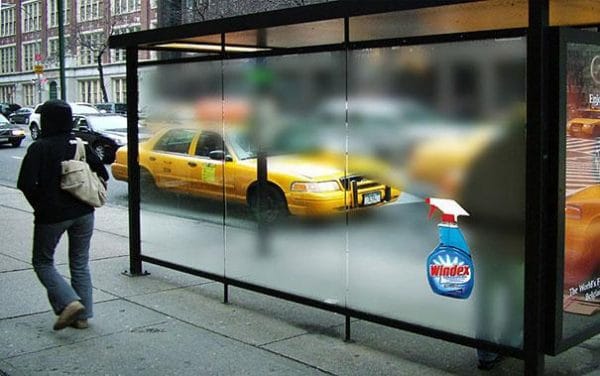
- Windex using public spaces to highlight clean windows
- Netflix promoting Money Heist in a shopping mall in Milan

- MINI’s creative outdoor advertising installations

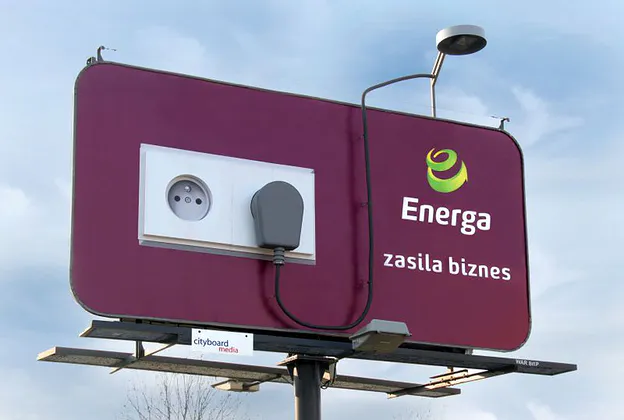
- Energa’s ambient marketing campaigns in Poland
- NESCAFÉ’s engaging ambient advertising videos.
Each example shows how ambient marketing transforms ordinary environments into memorable brand experiences that engage customers and support long-term business growth.
Conclusion and future directions
Ambient marketing has proven itself as a powerful tool for businesses looking to promote their brand and grab consumers’ attention in a crowded marketplace. By stepping away from traditional ads and embracing creative, real-world experiences, companies can create a lasting impression, foster an emotional connection, and benefit from repeated exposure as people share their encounters online and offline.
As marketing strategies continue to evolve, ambient ads are set to play an even bigger role in reaching target audiences. The future promises even more innovative forms, from interactive installations and augmented reality experiences to campaigns that seamlessly integrate with social media. By staying creative and open to new ideas, businesses can ensure their brand stands out, makes a direct impact, and remains memorable in the minds of consumers.
In a world where attention is the ultimate currency, ambient marketing offers brands a unique way to connect, surprise, and succeed-no matter their size or budget.
How RODIN can support your ambient marketing?
If you’re exploring ambient marketing to create real-world experiences that spark attention and emotion, RODIN helps you make every idea strategic, measurable, and connected to long-term growth. As a B2B marketing agency from the Tri-City, we bring together creativity and analytics – turning unconventional, high-impact concepts into campaigns that actually convert.
Our team supports companies across Europe not only with classic performance marketing tools like SEO, Google Ads, and social media campaigns, but also by bridging offline activations with digital performance. We ensure that your ambient campaign – whether it’s a city installation, pop-up experience, or unexpected brand moment – works hand in hand with your online visibility.
By combining data-driven marketing, conversion-focused content, and post-campaign analysis, RODIN helps brands turn creative exposure into lasting awareness and measurable business outcomes. In short: we make sure that your boldest marketing ideas don’t just make people talk — they also make people buy.