
Today’s users have higher expectations than ever before. They expect digital products to be fast, intuitive, accessible, and tailored to their needs. It’s no surprise that businesses are constantly looking for new ways to capture attention, keep users engaged, and stand out in an increasingly competitive digital landscape. That’s where UX, or User Experience, comes in. A well-designed user experience can have a major impact on how people interact with a website, perceive a brand, and ultimately make purchasing decisions.
Welcome to the world of UX, where the relationship between people and technology continues to evolve. From websites and mobile apps to emerging digital experiences, thoughtful design has never been more important. As digital tools become deeply embedded in everyday life, businesses must create experiences that feel seamless, useful, and genuinely enjoyable to use.
In this article, we’ll explore the most important UX trends in 2026 and examine how they are shaping user behavior, digital products, and modern web design. Whether you’re a business owner, marketer, UX designer, or product team member, understanding these trends can help you create better experiences and stay ahead of changing user expectations.
New UX trends shaping user interfaces in 2026
The UX trends gaining momentum in 2026 are redefining how designers create digital products and how users interact with them. While some of these trends have been evolving for years, others are emerging in response to rapid advances in technology, changing user behavior, and growing expectations around accessibility and personalization.
Responsive and cross-device design
Today’s users move seamlessly between devices throughout the day. They might browse a website on their phone during a commute, continue on a tablet at home, and complete a purchase on a desktop computer. Naturally, they expect a consistent experience across every touchpoint.
This is where responsive design becomes essential. Modern websites need to adapt not only to different screen sizes but also to different interaction methods, whether users rely on touchscreens, a mouse, keyboard navigation, or voice controls. Responsive design goes far beyond layout adjustments. It includes image optimization, flexible typography, adaptive layouts, and navigation systems that work equally well across devices.
Keep in mind!
In 2026, responsive design is no longer considered a trend. It has become a fundamental requirement for creating successful digital experiences.
As users access websites through an increasingly diverse range of devices, designers must ensure that every element serves a purpose regardless of screen size or platform. Modern responsive design focuses on creating experiences that feel natural whether someone is using a smartphone, tablet, laptop, or desktop computer.
Some of the most important developments in responsive design include mobile-first design approaches, CSS Grid and Flexbox layouts, adaptive layouts, and progressive web apps (PWAs). These technologies help businesses create user-friendly tools and digital products that deliver a seamless experience while maintaining performance and ensuring consistency across platforms.
Accessibility
Accessibility is about making digital experiences usable for everyone. While many businesses still view accessibility primarily as a compliance requirement, it also has a direct impact on user engagement, customer satisfaction, and business performance.
Simple improvements such as larger font sizes, proper color contrast, keyboard navigation, screen reader compatibility, and clear interface structures can make websites significantly easier to use for older adults and people with disabilities.
According to WebAIM research, approximately 95% of websites still contain detectable WCAG accessibility issues. This highlights just how much work remains to be done. As accessibility regulations continue to evolve, businesses will increasingly need to ensure that their websites, digital products, and online services meet modern accessibility standards.
Passwordless authentication
Another growing trend is the gradual shift away from traditional passwords. Users increasingly expect faster, more convenient ways to access digital products without having to remember complex login credentials.
Biometric authentication methods such as fingerprint recognition and facial scanning are already widely used across mobile apps and devices. These solutions improve security while reducing friction during the login process, creating a smoother user experience.
Metaverse, AR, VR, and spatial computing
The development of virtual reality, augmented reality, and spatial computing continues to push UX design beyond traditional screens. Instead of interacting solely through buttons and menus, users are beginning to engage with digital elements through gestures, movement, eye tracking, and voice commands.
This evolution is driving the growth of spatial interfaces and multimodal design, where multiple forms of interaction work together within a single experience. Modern UX design increasingly combines touch, voice, gestures, and visual feedback to create more immersive experiences.
One example is the rise of virtual storefronts that allow consumers to explore products in three-dimensional environments before making a purchase. As these technologies mature, UX designers will need to rethink how people navigate digital spaces and interact with information in both the digital and physical world.
Storytelling as a UX tool
Storytelling remains one of the most effective ways to create meaningful connections between brands and users. Rather than simply presenting information, storytelling helps guide users through experiences that feel engaging, memorable, and emotionally relevant.
In UX design, storytelling can shape everything from onboarding flows and product pages to entire customer journeys. A well-crafted narrative helps users understand the value of a product, stay engaged longer, and develop a stronger connection with a brand.
For businesses, storytelling can transform a simple transaction into a more engaging experience. Whether it’s sharing a company’s origin story, highlighting customer success stories, or building a narrative around a product, effective storytelling helps create experiences that people remember. Research suggests that stories are up to 55% more memorable than information presented as standalone facts.
The trends above represent some of the most influential developments shaping UX design in 2026 and beyond. As technology continues to evolve, UX designers will need to balance innovation with usability, ensuring that every new feature ultimately serves user needs and supports meaningful digital experiences.
Emerging technologies transforming UX design
Augmented reality (AR), artificial intelligence (AI), and the Internet of Things (IoT) are no longer experimental concepts. They are becoming a core part of modern UX design and are reshaping how users interact with digital products. In 2026, these technologies are converging to create more intelligent, connected, and immersive experiences. At the same time, UX design is moving toward greater clarity, AI-powered personalization, and interactions that extend beyond traditional screens.
Augmented reality (AR)
Augmented reality blends the physical world with digital elements, allowing users to see virtual objects, information, or experiences layered onto their real-world environment. Most AR experiences rely on a smartphone or tablet camera to recognize surroundings and display relevant digital content in real time.
For UX designers, AR opens up entirely new ways to engage users and deliver information. Instead of simply viewing content on a screen, people can interact with products and experiences within their own environment. This creates more engaging and memorable digital experiences while helping users make more informed decisions.
One of the most common applications of AR can be found in e-commerce. Users can preview furniture in their homes, virtually try on clothing or beauty products, and interact with digital product demonstrations before making a purchase. By 2026, these experiences are expected to become even more sophisticated, helping consumers find products that better match their needs and preferences.
Research suggests that 40% of consumers are willing to pay more for products they can preview using AR technology, highlighting the growing importance of immersive experiences in the customer journey.
AI integration and smarter chatbots
Artificial intelligence continues to be one of the most influential UX design trends. AI-powered tools allow businesses to personalize user experiences at a scale that was previously impossible. By analyzing user behavior, AI can adapt content, layouts, recommendations, and functionality to individual user needs in real time.
Chatbots have also evolved significantly. Powered by advanced AI models and natural language processing, they now offer far more than basic customer support. Modern AI interfaces can understand context, respond naturally, and assist users with increasingly complex tasks.
The latest AI features in web design include intelligent product recommendations, predictive search, adaptive content delivery, and personalized experiences tailored to individual users. In many cases, AI agents can now complete multi-step actions, schedule appointments, process orders, and guide users through complex workflows.
Machine learning plays a crucial role in these developments by continuously improving recommendations, personalization, and user interactions based on real user feedback. As a result, businesses can create interfaces that feel more intuitive while reducing the workload placed on customer service teams.
Some of the biggest benefits of AI-powered tools include:
- Real-time personalization
- More efficient customer support
- Improved conversion rates
- User behavior analysis
- Automation of repetitive tasks
Today, AI is commonly used for data analysis, keyword research, content generation, personalization, and conversational interfaces. Looking ahead, AI will continue to play a growing role in creating experiences that feel natural while helping businesses better understand their customers.
The Internet of Things (IoT)
The Internet of Things remains one of the most exciting areas of innovation in UX design. As more connected devices become part of everyday life, designers have new opportunities to create seamless experiences that extend across multiple platforms and environments.
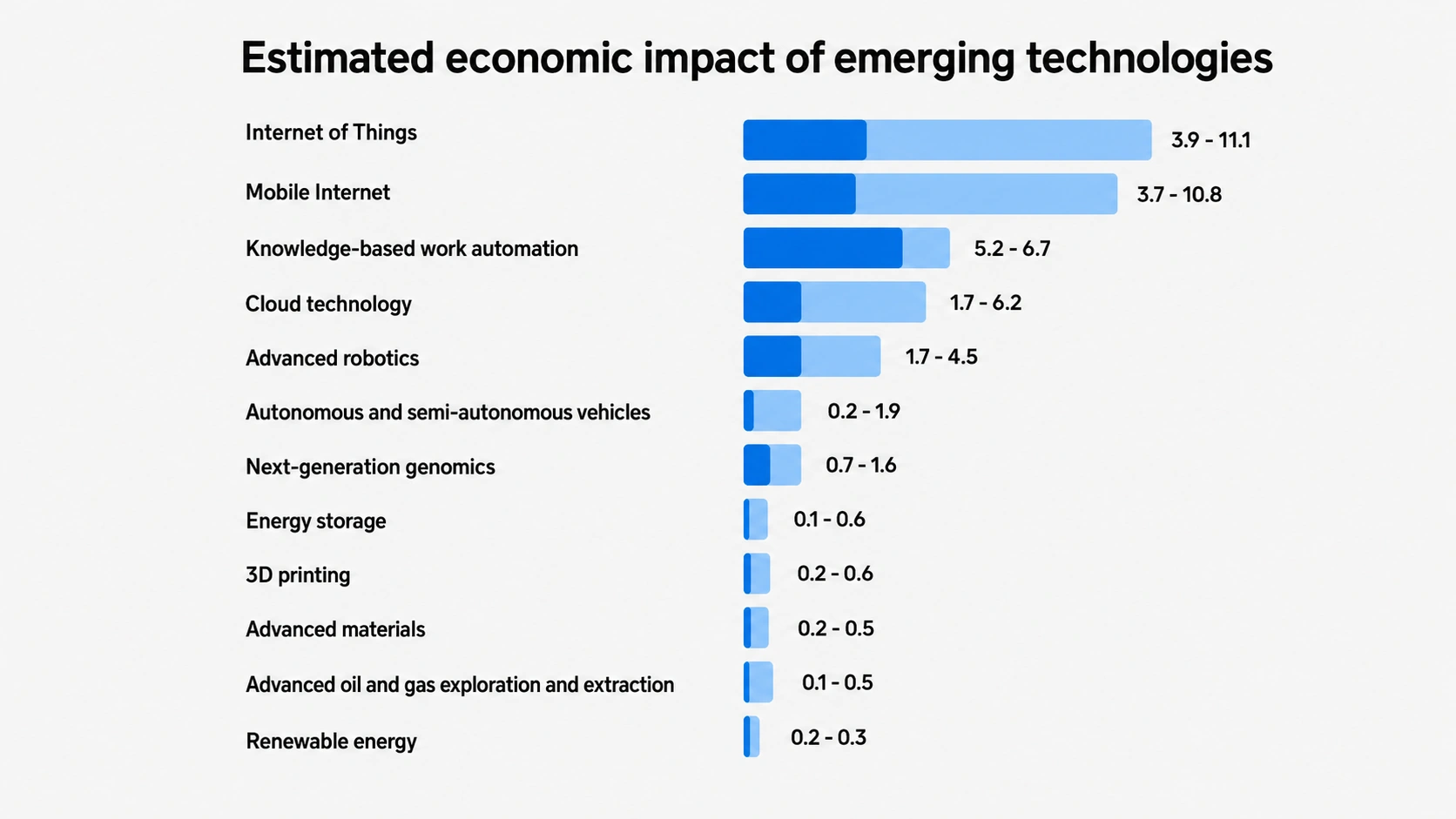
IoT enables devices to communicate with one another, generating valuable data and creating entirely new interaction models. From smart homes and wearable technology to connected vehicles and healthcare devices, users increasingly expect digital products to work together effortlessly.
For UX designers, this means thinking beyond individual screens and designing ecosystems rather than standalone interfaces. The goal is to create experiences that feel connected, intuitive, and responsive across multiple touchpoints.
A simple example would be integrating a website or mobile app with smartwatches, fitness trackers, or other connected devices. Users could access information, receive notifications, or complete actions directly through these devices without interrupting their experience.
As connected technologies continue to evolve, IoT will have a growing influence on how digital products are designed, how users interact with services, and how businesses create value through more personalized and interconnected experiences.
What is UX?
UX, or User Experience, refers to every aspect of a user’s interaction with a product, service, or digital platform. It goes far beyond visual design, encompassing usability, accessibility, functionality, emotional response, and overall satisfaction throughout the entire user journey.
In today’s highly competitive digital landscape, creating a great user experience has become both more challenging and more important than ever. Users expect digital products to be intuitive, efficient, and enjoyable to use. As technologies evolve and user expectations continue to rise, UX designers must constantly balance business goals with user needs to create experiences that are both effective and engaging.
Balancing aesthetics and functionality in modern UX design
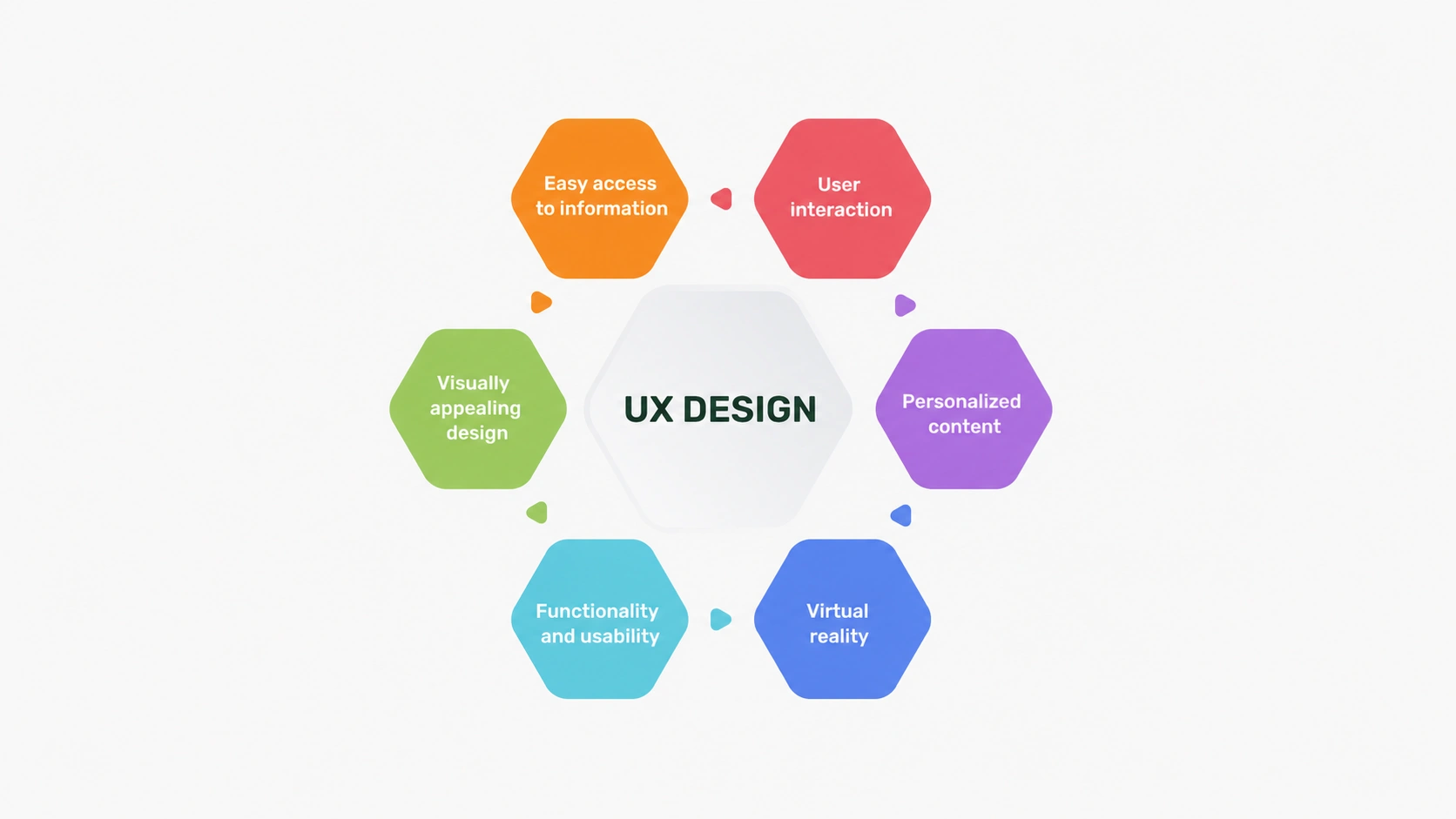
One of the biggest challenges in UX design is finding the right balance between aesthetics and functionality. Great digital products don’t succeed simply because they look impressive. They succeed because they combine strong visual design with an intuitive and enjoyable user experience.
In 2026, UX designers continue to focus on creating interfaces that are visually appealing, emotionally engaging, and easy to use. The goal is to design products that capture attention without sacrificing usability. Achieving this balance requires careful consideration of user needs, business goals, and the way people interact with digital products in real-world situations.
Some of the most important elements of this balance include intuitive navigation, fast loading times, clear information hierarchy, accessibility, and responsive design. A beautiful interface means very little if users struggle to complete basic tasks. At the same time, highly functional products can feel outdated or uninspiring if visual design is neglected.
Successful UX design brings these elements together to create experiences that feel effortless, engaging, and effective. Every design decision should support both usability and visual appeal, ensuring that each element serves a purpose while contributing to a cohesive overall experience.
The best digital products often demonstrate this balance exceptionally well. Industry awards such as the WebAwards regularly recognize websites that combine innovative visual design with outstanding usability and user engagement.
One notable example was InnoTech Solutions, whose award-winning website showcased how advanced 3D animations could enhance rather than distract from the user experience. Instead of serving as purely decorative elements, the animations helped guide users through the interface and supported product discovery.
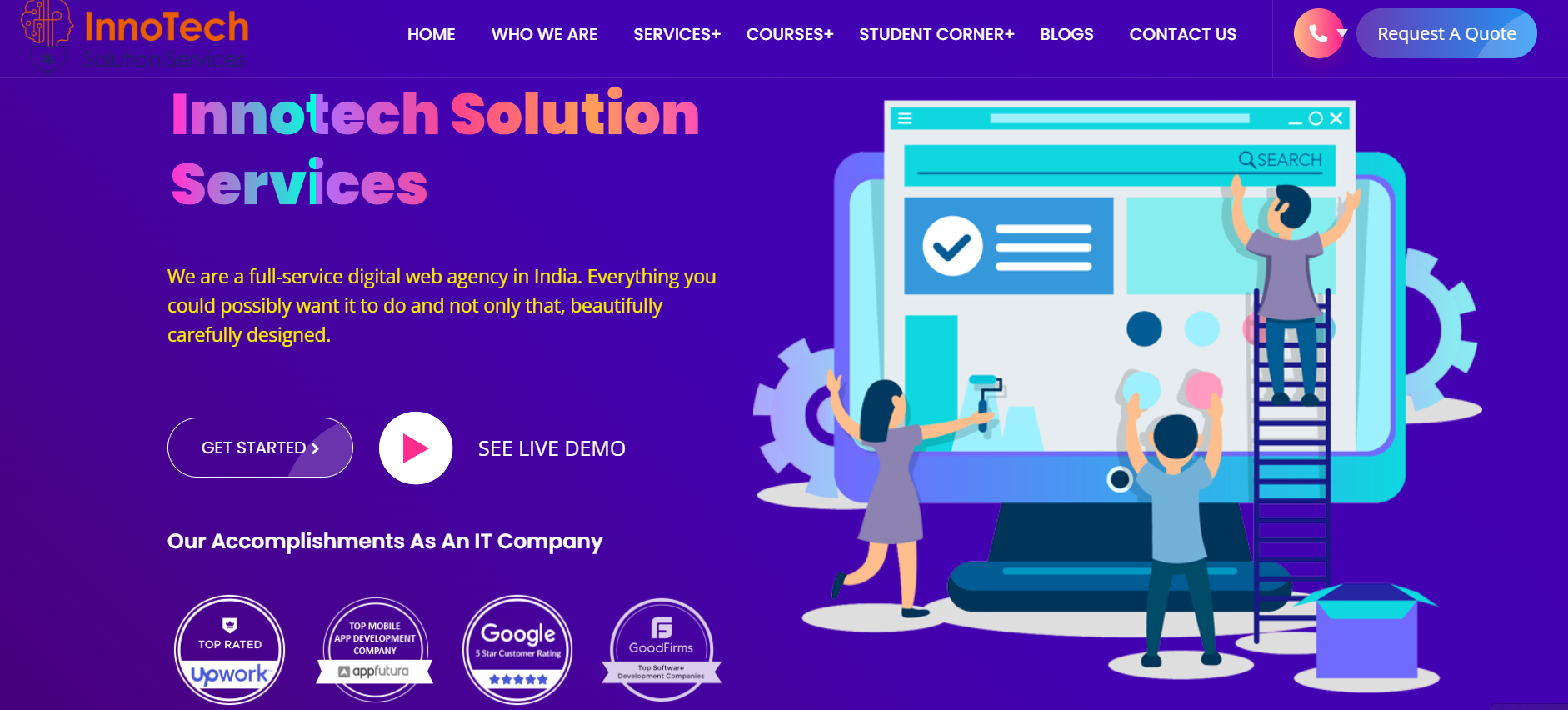
One notable example was InnoTech Solutions, whose award-winning website showcased how advanced 3D animations could enhance rather than distract from the user experience. Instead of serving as purely decorative elements, the animations helped guide users through the interface and supported product discovery.
Similarly, Hounder received recognition for its website design by creating an experience that successfully blended strong visual identity with intuitive user interfaces. These examples highlight an important lesson for modern UX designers: great design isn’t about choosing between aesthetics and functionality, it’s about making both work together seamlessly.

Minimalism and simplicity remain at the heart of UX design
In 2026, one of the strongest UX design trends is the continued move toward simplicity. Designers are focusing on removing unnecessary elements and reducing visual clutter, leaving only what is essential for helping users achieve their goals quickly and efficiently.
This shift is largely driven by changing user behavior. People expect instant access to information, seamless navigation, and frictionless experiences, especially on mobile devices. As a result, designers are becoming more intentional about every element they include, ensuring that each component serves a clear purpose.
Websites built around minimalist design typically feature clean layouts, generous white space, simple navigation structures, and carefully selected color palettes. Rather than overwhelming users with excessive visual elements, these interfaces guide attention toward the content and actions that matter most.
Modern minimalism is not about making interfaces look empty. It’s about creating clarity. By reducing distractions, designers can improve user engagement, simplify decision-making, and create interfaces that feel more intuitive and enjoyable to use.
This approach also delivers practical benefits. Simpler interfaces often load faster, perform better across devices, and make it easier for users to navigate digital content. As businesses continue to prioritize user experience, minimalist design remains one of the most effective ways to create digital experiences that feel modern, accessible, and effortless to use.
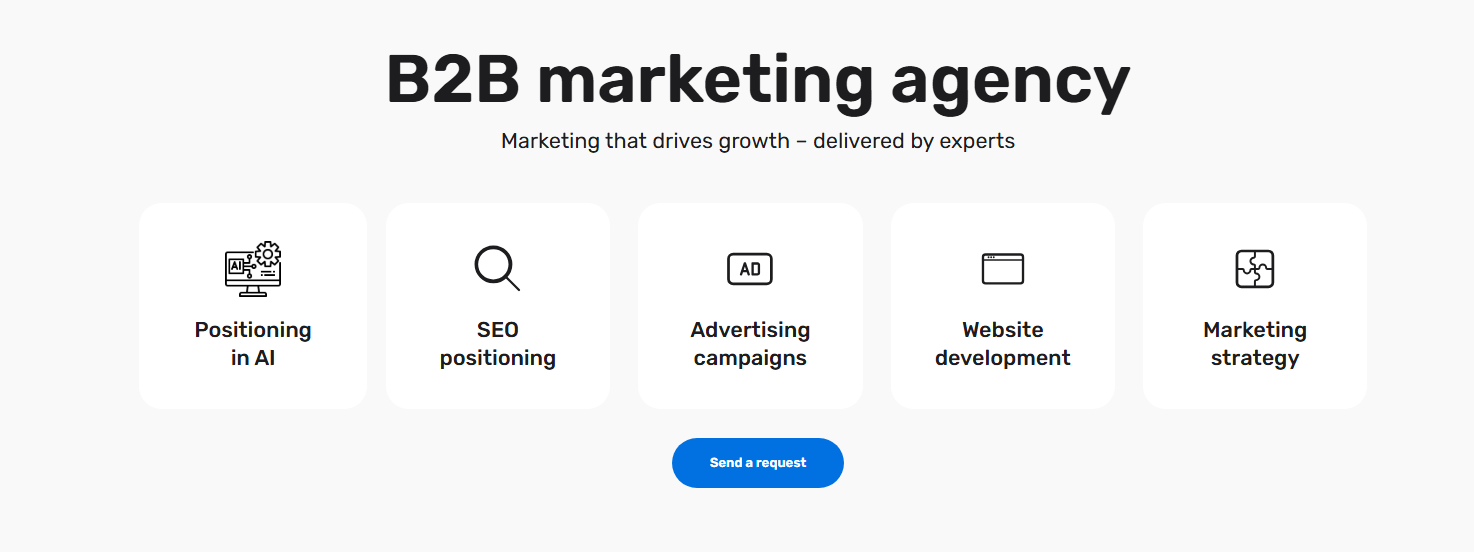
A great example of this approach is the Rodin website itself. Our design philosophy focuses on clarity, straightforward communication, and a carefully selected color palette that supports the content rather than competing with it. By removing unnecessary distractions and prioritizing usability, we’ve created an experience that helps visitors quickly find the information they’re looking for.
It’s worth remembering that minimalist design is about much more than aesthetics. It also plays an important role in website performance and user experience. Simpler interfaces typically load faster, improve navigation, and make it easier for users to focus on the most important content and actions. When done well, minimalism helps create digital experiences that are both visually appealing and highly effective.
Video backgrounds and immersive web experiences
Using video as a website background continues to be a popular UX and web design trend in 2026. When used thoughtfully, background video can capture attention instantly, create a stronger emotional connection, and communicate a brand’s personality far more effectively than static imagery alone.
Video allows businesses to showcase products, tell stories, and create immersive experiences from the very first moment a visitor lands on a page. Whether it’s highlighting a manufacturing process, demonstrating a service, or showcasing a lifestyle associated with a brand, motion design can help create a more engaging user experience.
That said, performance remains a critical consideration. UX designers must ensure that video backgrounds enhance the experience rather than slow it down. Modern websites increasingly rely on short, lightweight video loops and optimized animations that maintain visual impact without negatively affecting loading times or overall website performance.
A great example is the website of Pastamancini, which uses background video to tell the story behind its products. Visitors are immersed in scenes featuring wheat fields, the production process, freshly made pasta, and chefs preparing meals using the brand’s ingredients. An especially effective detail is that a different video sequence can appear each time someone visits the website, creating a fresh and engaging experience with every visit.
When combined with strong UX principles, background video can transform an ordinary website into a memorable digital experience while supporting user engagement and strengthening brand perception.
Interactive animations and micro-interactions
Micro-interactions and interactive animations continue to play a major role in modern UX design. These small visual responses help create interfaces that feel more responsive, intuitive, and engaging by providing immediate feedback when users take action.
Common examples include:
- Buttons that change color when hovered over
- Icons that animate when clicked
- Smooth transitions between pages or content sections
- Progress indicators and loading animations
- Interactive navigation elements
Although subtle, these interactions have a significant impact on user engagement and overall user experience. They help guide users through interfaces, provide reassurance that actions have been completed successfully, and make digital products feel more polished and responsive.
The most effective micro interactions aren’t purely decorative. They serve a functional purpose by helping users understand what’s happening on the screen and what actions are available to them. Well-designed animations can guide users naturally through a journey without creating confusion or adding unnecessary complexity.
Timing also matters. Most UX designers recommend keeping micro-interactions short and responsive, ideally under 300 milliseconds. This creates a smooth experience while avoiding delays that could frustrate users.
Examples can be found everywhere, from animated “Like” buttons on social media platforms and real-time data visualizations to dynamic loading indicators and interactive form elements. More advanced motion design techniques, such as parallax scrolling and scroll-triggered animations, are also widely used to create more immersive digital experiences as users move through a page.
Navigation is becoming increasingly interactive as well. Hover effects, animated menus, and unconventional layouts can make exploration feel more engaging while helping users discover content more naturally. Even something as simple as a custom cursor can contribute to a more memorable brand experience and strengthen the connection between users and digital products.
As UX design trends continue to evolve, the focus remains on creating experiences that feel natural, enjoyable, and effortless. When used strategically, micro-interactions can boost engagement, improve usability, and transform ordinary user interfaces into memorable digital experiences.
Data as a driving force behind modern UX
Data has long played an important role in UX design, but in 2026 its influence is greater than ever. Every interaction with a website, mobile app, or digital product generates valuable insights that can help designers better understand users and continuously improve their experiences.
Today’s UX designers rely heavily on data analysis to identify patterns in user behavior and make more informed design decisions. User experience is shaped not only by how people interact with a product but also by how effectively that product adapts to their needs. By analyzing behavioral data, designers can create more personalized experiences that help users achieve their goals faster and with less friction.
In many ways, there is no better way to improve user experience than by learning directly from users themselves. This is why UX research, analytics, and real user feedback have become essential components of modern design processes.
One emerging trend is the use of adaptive layouts that adjust in real time based on user intent, preferences, or behavior. Rather than presenting every visitor with the same interface, digital products are becoming increasingly capable of creating experiences tailored to individual needs.
Metrics such as time spent on a page, navigation patterns, scroll depth, and engagement rates can provide valuable insights into how users interact with digital content. For example, if visitors consistently leave a page after only a few seconds, it may indicate usability issues, unclear messaging, or a mismatch between user expectations and the content provided.
When used correctly, data helps businesses move beyond assumptions and create digital experiences that are more relevant, effective, and aligned with both user needs and business goals.
Data-driven UX and the rise of personalization
Data has become one of the most valuable resources in modern UX design. While user data has influenced design decisions for years, its role continues to grow as businesses seek deeper insights into user behavior and more effective ways to create personalized experiences.
Every interaction with a website, mobile app, or digital product generates valuable information. From clicks and scroll patterns to session duration and navigation paths, these insights help UX designers better understand how users interact with digital experiences and where improvements can be made.
As a result, UX research is becoming increasingly data-driven. Rather than relying solely on assumptions, designers can use real user feedback and behavioral data to identify pain points, optimize user journeys, and create interfaces that better support user goals. This approach allows businesses to make informed design decisions that improve both user satisfaction and business performance.
Personalization is another area where data plays a crucial role. Modern AI-powered tools can analyze user preferences, browsing behavior, and engagement patterns to deliver more relevant content and personalized experiences. In many cases, interfaces can now adapt dynamically based on a user’s actions, interests, or intent.
One emerging trend is the development of adaptive layouts that reorganize content in real time to better match individual user needs. Rather than presenting the same experience to everyone, digital products are becoming increasingly capable of responding to context, behavior, and preferences as interactions occur.
There’s no better way to improve user experience than by learning directly from users themselves. This is why collecting, analyzing, and acting on data has become a fundamental part of UX design and continuous improvement.
A simple example is monitoring how much time users spend on a website or specific pages. If engagement is unusually low, the data may reveal usability issues, unclear messaging, or navigation problems. These insights help teams refine their designs, improve user engagement, and create experiences that better meet the expectations of their audience.
Personalization takes center stage in UX design
Personalization has been an important part of UX design for years, but in 2026 it is becoming one of the defining trends shaping digital experiences. Users increasingly expect products, websites, and mobile apps to adapt to their preferences, behaviors, and individual needs. At the same time, they want greater transparency around how personalization works and how their data is being used.
To meet these expectations, UX designers are relying more heavily on artificial intelligence, machine learning, and AI-powered tools. These technologies make it possible to create interfaces that learn from user behavior, adapt in real time, and deliver more relevant content and recommendations.
AI personalization is already transforming how users interact with digital products. Modern systems can analyze browsing habits, engagement patterns, previous interactions, and contextual signals to create personalized experiences that feel more intuitive and useful. Rather than offering the same experience to every visitor, digital products can now adapt dynamically based on individual user goals and preferences.
In 2026, personalization is also becoming more sophisticated thanks to advances in data analysis and UX research. Designers have access to deeper insights that help them better understand user needs, identify behavioral patterns, and make more informed design decisions. This allows teams to create interfaces that are not only more relevant but also more effective at helping users achieve their objectives.
Trust remains a crucial part of this process. Users are generally willing to share information when personalization clearly improves their experience, but only when the rules are transparent and easy to understand. Ethical UX practices are becoming increasingly important as businesses balance personalization with privacy, consent, and user control.
A practical example of personalization is allowing users to customize aspects of a website or application themselves. This might include changing layouts, selecting themes, adjusting interface settings, choosing content preferences, or enabling specific features. Giving users more control over their experience often leads to higher user engagement, stronger satisfaction, and a more meaningful connection with the product.
Bringing modern UX trends into your website
Hopefully, this guide has given you a clearer understanding of the UX trends shaping digital products in 2026 and how they can help create better user experiences. From responsive design and accessibility to AI-powered personalization and emerging technologies, great UX is no longer a nice-to-have, it’s a key factor in business success.
Of course, staying on top of evolving UX design trends requires both expertise and continuous learning. As user expectations change and new technologies emerge, businesses need websites that not only look great but also perform exceptionally well and support their business goals.
If you’d like expert support, the Rodin team can help. We design, launch, and manage modern websites built around user needs, industry best practices, and the latest UX design trends. Our goal is simple: to create digital experiences that engage users, strengthen brands, and deliver measurable business results.
One of our clients saw website visibility increase by 823% in just two months through a combination of strategic SEO, UX improvements, and content optimization. Curious how we achieved those results? Take a look at the case study and discover the strategy behind the growth.
And if you’d like to find out how we can help your business grow online, request a free consultation and tailored project estimate.
Frequently asked questions
UX trends in 2026 are focused on creating smarter, more adaptive digital experiences. Designers are moving beyond traditional screens and embracing AI powered tools, multimodal interfaces, spatial computing, AI personalization, and more immersive experiences that blend the digital and physical world.
The UX design industry is also moving past initial AI hype into a “post-hype” phase focused on strategic implementation and high-level human judgment. At the same time, minimalism in design is shifting from visual reduction to reducing ambiguity and cognitive load. Clean user interfaces, responsive design, accessibility, and personalization continue to shape how users interact with websites, mobile apps, and digital products.
Artificial intelligence is no longer an emerging technology, it is already a standard part of many design workflows. In fact, 93% of designers are currently using generative AI tools in their work, indicating that AI integration is already a prevalent practice across the industry.
Research also shows that 73% of designers believe AI as a design collaborator will have the most impact on UX design in 2026, emphasizing AI’s role in augmenting rather than replacing human designers. AI will automate repetitive tasks, allowing designers to focus on complex user problems rather than manual drafting. As a result, UX designers can spend more time on design thinking, strategy, user research, and creating experiences that align with business goals.
One of the biggest emerging trends is the rise of AI agents. Interfaces are moving from reactive to agentic, where AI agents perform multi-step tasks in the background with minimal human oversight. Instead of simply responding to commands, these systems actively help users complete actions and achieve their goals.
According to industry research, 60% of designers expect AI agents that take actions for users to significantly impact UX design in 2026, highlighting a shift towards more proactive AI functionalities. Whether it’s booking appointments, managing workflows, or organizing information, AI agents are expected to fundamentally change how users interact with digital products.
Personalization has become one of the most important UX design trends because users increasingly expect products to adapt to their preferences, behaviors, and goals. Generic experiences are being replaced by dynamic interfaces that respond to individual needs.
Research shows that 32% of designers believe real-time personalization will have a major impact on UX design in 2026, with 36% currently implementing AI-powered personalization in their work. Interfaces are increasingly using adaptive layouts that reorganize content in real time based on user behavior, context, and goals. Users also expect greater control over their experience, including dark mode settings, personalized dashboards, content recommendations, and customizable interfaces.
Micro interactions remain one of the most effective ways to improve user engagement and guide users through digital experiences. These subtle design elements provide immediate feedback, help explain interface behavior, and make interactions feel more natural.
According to industry research, 23% of designers expect micro-interactions and motion design to have a major impact on UX design in 2026, while 50% are already adding micro-interactions and animations to their current work. Thoughtful animation is making a comeback as a UX design trend, with motion design being used purposefully to provide feedback, show relationships between elements, and guide attention to important changes rather than simply adding decorative effects.
Multimodal interfaces allow users to interact with digital products through multiple input methods, including touch, voice commands, gestures, natural language, and visual controls. Rather than relying on a single interaction model, they combine different forms of communication to create more intuitive experiences.
As technologies such as virtual reality and spatial computing continue to evolve, multimodal design is becoming increasingly important. Designers are creating experiences that extend beyond traditional screens and allow users to interact with digital content in ways that feel natural, immersive, and context-aware. This shift is redefining how users interact with both digital products and the physical world.
Ethical UX is about designing products that prioritize transparency, inclusivity, and user well-being. Instead of relying on dark patterns or manipulative design tactics, ethical UX helps users make informed decisions and maintain control over their digital experiences.
Ethical design practices are increasingly prioritizing accessibility and inclusivity, ensuring that digital products are usable by diverse audiences regardless of ability or background. At the same time, compliance-driven and sustainable UX means accessibility and sustainability are shifting from nice-to-haves to mandatory requirements. Performance-focused design using data-light patterns, optimized images, and efficient caching is becoming essential to reduce the carbon footprint of AI-heavy systems while maintaining a high-quality user experience.
Accessibility is no longer optional. Accessibility is moving from being a “nice to have” to a non-negotiable aspect of UX design, with 50% of designers focusing on accessibility from the start in their current work. As digital products become more complex, businesses must ensure that every user can access and navigate them effectively.
Research also shows that 53% of designers expect AI-powered accessibility tools to have a major impact in 2026, indicating a shift towards making accessibility a standard practice rather than an afterthought. Specific focus areas for accessibility in 2026 include color contrast, keyboard navigation in complex interfaces, screen reader compatibility with dynamic content, and clear focus indicators.
At the same time, continuous learning has become a critical skill for modern UX designers. Proficiency in prototyping tools that support AI, motion, and spatial design is becoming mandatory. As new tools, technologies, and design systems continue to emerge, designers must constantly expand their knowledge to stay ahead of changing user expectations and evolving design trends in 2026.