





Marketing for psychologists,
Marketing for psychologists at Rodin
We create comprehensive marketing strategies for modern psychology practices.
What can we do for your practice?
Patients often check a practice’s website, photos and reviews before making their first contact.

Google Maps and AI search results
Increase your practice’s visibility in Google Maps and emerging AI search results, making it easier for people looking for psychological support to find you.

A website for your
practice
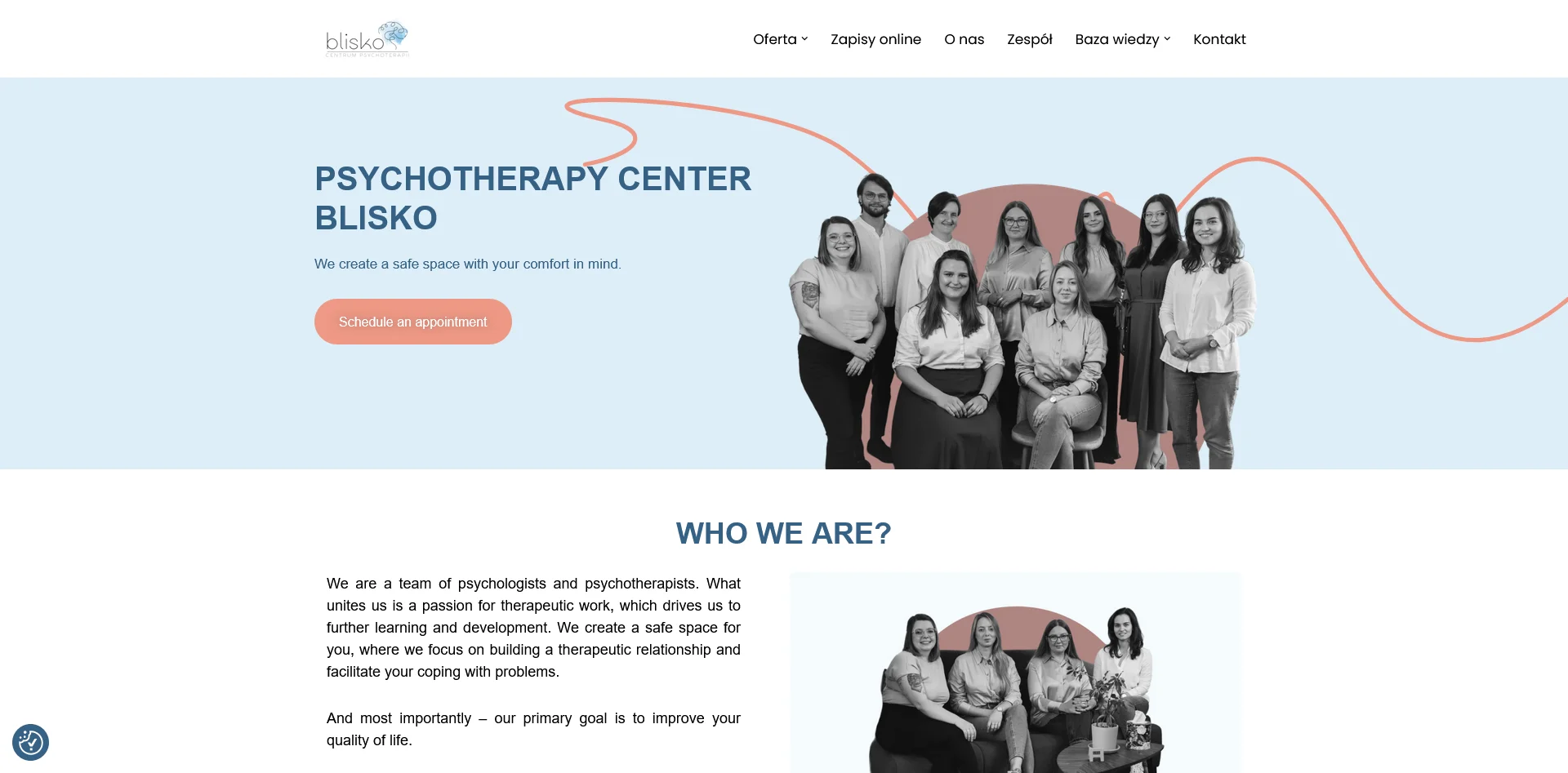
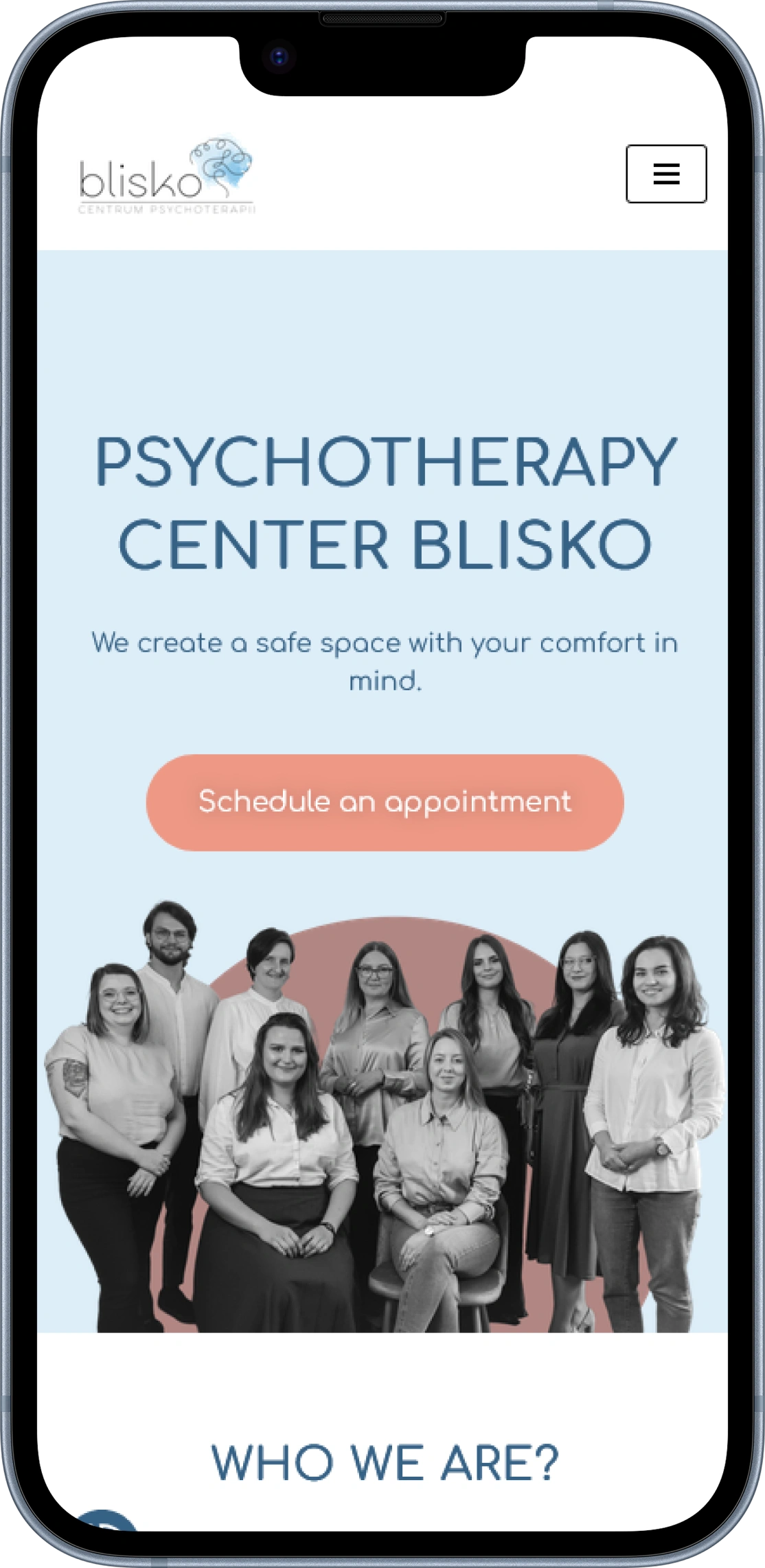
Modern, well-designed websites for psychologists and practices, with an intuitive structure, clear communication and easy access to contact information.

Your professional image online
Photography and communication that help build a professional image and show patients what makes your practice different. Your online presence should reflect the way you want to be seen.

Marketing tailored to your speciality
A practice specialising in adult therapy communicates differently from one working with children. Marketing should reflect your area of expertise and the way you work.

Social media without the artificiality
Social media profiles managed in a way that feels natural and consistent. The focus is on regular activity, professional communication and building trust.

A consistent online presence
Your website, SEO, advertising and social media can work together as one organised marketing system for your psychology practice.
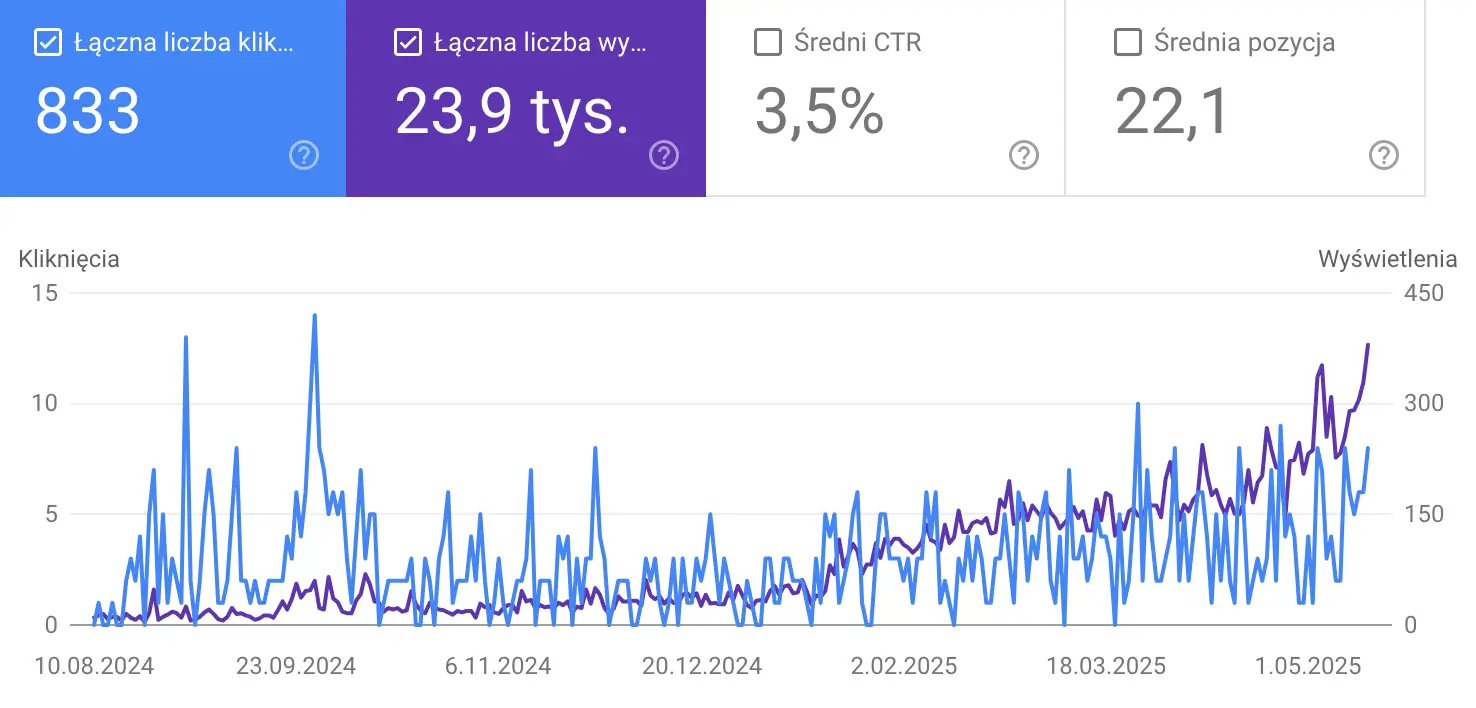
What does well-managed marketing change for your practice?
Your practice’s visibility and the way it communicates can influence how patients make their decisions.
- Greater visibility on Google – helping patients find your practice when they are looking for the right specialist.
- Building trust from the first interaction – a professional website and clear communication shape the first impression before a patient gets in touch.
- Reaching the right people – communication tailored to your specialisation and the patients you want to work with.
- More effective marketing – analysing website traffic and user behaviour helps identify which activities are working.
- A consistent and professional brand – marketing supports the image you want your practice to build and the way it communicates online.
See how we create marketing for psychologists
We build a consistent online presence for psychologists, practices and brands connected with health and personal development.
Who is marketing for psychologists for?
How visible is your practice today?
See which types of specialists we work with most often.

Psychologists growing their practice
You already have a website, but your marketing could be working harder. We help bring your communication together and build a consistent online presence for your practice.

Practices looking to increase visibility
Your services are valuable, but patients still rely mainly on recommendations to find you. We increase your visibility in Google, Google Maps and search results.

Specialists building their professional image
We create websites, communication and visual materials that help build trust and present your practice professionally from the very first online interaction.

Psychologists who need more consistent communication
Your website, social media and other marketing activities currently operate separately? We bring them together into one organised and consistent marketing approach.

Let’s explore your practice’s marketing potential
We’ll review your practice’s online visibility and identify what may be limiting the number of new enquiries.
Marketing for psychologists, step by step with Rodin
We take a focused, thoughtful approach, with a plan tailored to the way your practice works.

1. We get to know your practice
We discuss your area of expertise, assess your current visibility and look at how your marketing supports your practice today.

2. We build a strategy
The next step is a plan tailored to your specialisation, the way you work and the patients you want to reach.

3. We build your visibility
SEO, advertising and online communication work together to strengthen your practice’s visibility and build trust in your brand.
Your practice can be more visible online
Book a consultation and see how we can help bring more clarity and structure to your practice’s online presence.
Frequently Asked Questions -
About Marketing for Psychologists
Yes. Good marketing does not have to be pushy, manipulative or at odds with professional ethics. For mental health professionals, what matters is how the practice is presented. Marketing can explain who you are, what you specialise in and who your therapy services are designed for, while helping potential clients find accurate information when they are looking for support.
Ethical marketing for psychologists is built around honesty, clear communication and respect for client confidentiality. The same principles apply to a website, Google Ads, social media and other marketing materials. When in doubt, it is worth checking the guidance of relevant professional organizations and making sure your communication remains accurate and responsible.
It starts with understanding how people are actually looking for the help you offer. Search queries can vary depending on someone’s needs, location or the particular mental health issues they want support with, which is why search engine optimization should begin with proper keyword research rather than randomly adding phrases to a website.
A professional website, local SEO and Google Business Profile optimization can all help a psychology practice become easier to find. We conduct keyword research to identify relevant keywords and use them where they genuinely support your content, while also making sure your website is technically sound, mobile-friendly and easy for search engines to understand.
They can, but social media should have a purpose. You do not need to be active on every platform or post every day to build a strong social media presence. For some psychology practices, social media marketing is a useful way to share educational content and discuss relevant mental health topics. For others, it may play a much smaller role.
The right approach depends on your target audience and wider marketing plan. A few well-chosen social media platforms are usually more useful than several abandoned social media accounts. It can also be a good space to follow conversations within your field and connect professionally with other therapists and other mental health professionals, as long as communication remains professional and ethical.
Yes. A therapy website should do more than look professional. It should help a potential client understand who you are, what therapy services you offer and whether your approach feels right for them. A good professional website makes this information easy to find without overwhelming visitors.
We also take care of mobile usability, page structure and search engine optimization. The result is a website built around your specialisation, your ideal client and the way your psychology practice works, rather than a generic template for a private practice.
That depends on the starting point and the marketing channels involved. Some activities, such as Google Ads, can bring traffic relatively quickly, while search engine optimization usually takes longer because improving organic visibility is a gradual process.
Rather than promising a specific number of new clients after a few weeks, we look at what is actually changing, including search engine rankings, website traffic, enquiries and client acquisition. Regularly reviewing your therapy marketing efforts also helps identify which activities are worth continuing and which need adjusting.
For many practices, yes. SEO can be particularly valuable because people often turn to a search engine when they are actively looking for a psychologist or a specific type of support. The goal is not simply to get more traffic, but to attract potential clients who are genuinely interested in the therapy services you provide.
SEO can include technical improvements, better site structure, relevant content and pages based on the questions people actually ask. As part of effective marketing strategies, it can become an important source of enquiries for a thriving private practice and support other online marketing strategies over time.
Yes. Your Google Business Profile can make a real difference to local visibility, especially when people are searching for a psychologist in a specific area. We can help with Google Business Profile optimization and make sure the information about your practice is complete, accurate and consistent with your professional website.
This includes contact details and services, but also the wider way your practice appears in local search. For a local business, keeping this information up to date can make it easier for potential clients to find the right information at the right time.
Not at all. In fact, it usually should not. Marketing for therapists and other healthcare professionals needs a different approach from marketing a product or running a typical sales campaign. People looking for mental health services may already feel uncertain about reaching out, so aggressive messages and pressure tactics are rarely the right choice.
Good mental health marketing makes it easier for someone to understand what you do, who you help and how to take the next step. There are plenty of therapy marketing ideas that focus on education, visibility and trust rather than selling. The aim is to make your practice easier to find and build a connection with the right people.
There is no single answer because the scope can be very different. One practice may only need a professional website and local SEO, while another may want a broader marketing plan covering SEO, content marketing, social media, Google Ads and ongoing analysis.
The marketing budget should reflect your goals and the stage your practice is at. Before recommending anything, we look at what you already have, where your potential clients are likely to find you and which marketing efforts are worth prioritising. Effective marketing does not mean using every available channel, but choosing the ones that make sense for your practice.