
What is the second-largest search engine after Google? Today, let’s take a closer look at YouTube – which you might even be watching right now while glancing at this article.
Did you know that the YouTube algorithm generates around 70% of all views on the platform? This means that people searching for content on YouTube rely heavily on its video recommendations. The YouTube algorithm is a recommendation system that analyzes user behavior and search history, and recommends videos based on user engagement. That’s great news for anyone who wants to understand how the YouTube algorithm works and use it to increase the visibility of their YouTube content. See how to work with the YouTube algorithm and boost your reach on YouTube!
What is the YouTube algorithm and how does it work?
The YouTube algorithm is an advanced AI-based system designed to deliver YouTube content tailored to each viewer’s interests and preferences. The goal is simple: to provide every user with a highly personalized experience and maximize viewer satisfaction on YouTube. YouTube uses its algorithms to personalize video recommendations and display videos on the YouTube homepage based on a user’s watch history and interactions. This leads to users spending more time on the platform. The role of the YouTube algorithm is straightforward: it helps people find videos they’ll most likely want to watch.
Read also: Google Algorithm Update 2025 – Everything You Need to Know
How does the YouTube algorithm work?
YouTube’s recommendation system works by personalizing suggested videos for every individual user. The key elements of this process include: analyzing search history, how often certain videos are displayed, average watch time, interactions with YouTube content, and topic preferences. The system analyzes this data in real time to adjust recommendations to the user’s current interests.
The YouTube algorithm also takes into account Google Trends and how popular YouTube content is at a given time. It analyzes user behavior to promote videos that keep viewers engaged. As a result, when someone opens YouTube, they see recommendations for related videos on the YouTube homepage that they are most likely to click and watch. Understanding the basics of how YouTube’s recommendation system works is crucial for YouTube creators who want to effectively reach their target audience by delivering attractive and personalized video content.
YouTube SEO – what you need to know?
Even though YouTube SEO doesn’t work exactly like SEO for traditional search engines, it still has a big impact on video performance and rankings in YouTube search. The YouTube search algorithm looks at elements such as video titles, video descriptions, tags, and overall video metrics to understand what a YouTube video is about. Using relevant keywords in the video titles, video descriptions, and tags is essential for your video’s visibility. If the YouTube content is properly optimized for YouTube SEO, your video has a much better chance of reaching the right target audience.
YouTube search algorithm – how does it affect your YouTube video views?
The YouTube search algorithm is a key factor that determines how visible and popular videos are on the platform. It evaluates a number of signals to decide whether a video will appear high in search results and, as a result, whether it will receive more YouTube video views. The most important elements here are the video titles, video descriptions, and tags, which help the YouTube algorithm understand what the YouTube content is about. You simply can’t afford to ignore these aspects if you want to do things well and see real results.
YouTube thumbnails quality and appeal also matter, along with growing viewer engagement through comments, likes, and shares. When YouTube creators carefully optimize these core elements, they increase their chances of appearing at the top of YouTube search results and in the suggested videos section. In turn, this leads to more YouTube video views and a broader reach for the YouTube channel as a whole.
How the YouTube Shorts algorithm works?
The YouTube Shorts algorithm was created to promote YouTube Shorts, short, dynamic videos that quickly grab viewers’ attention. It works on similar principles as the main YouTube algorithm, but puts special emphasis on the specifics of short-form content like YouTube Shorts.
The most important factors here include:
- Viewer engagement
- Watch time
- Number of likes
- Number of shares
The more engaging your YouTube content is, the more likely it is that the YouTube Shorts algorithm will pick it up and push the videos to a wider audience.
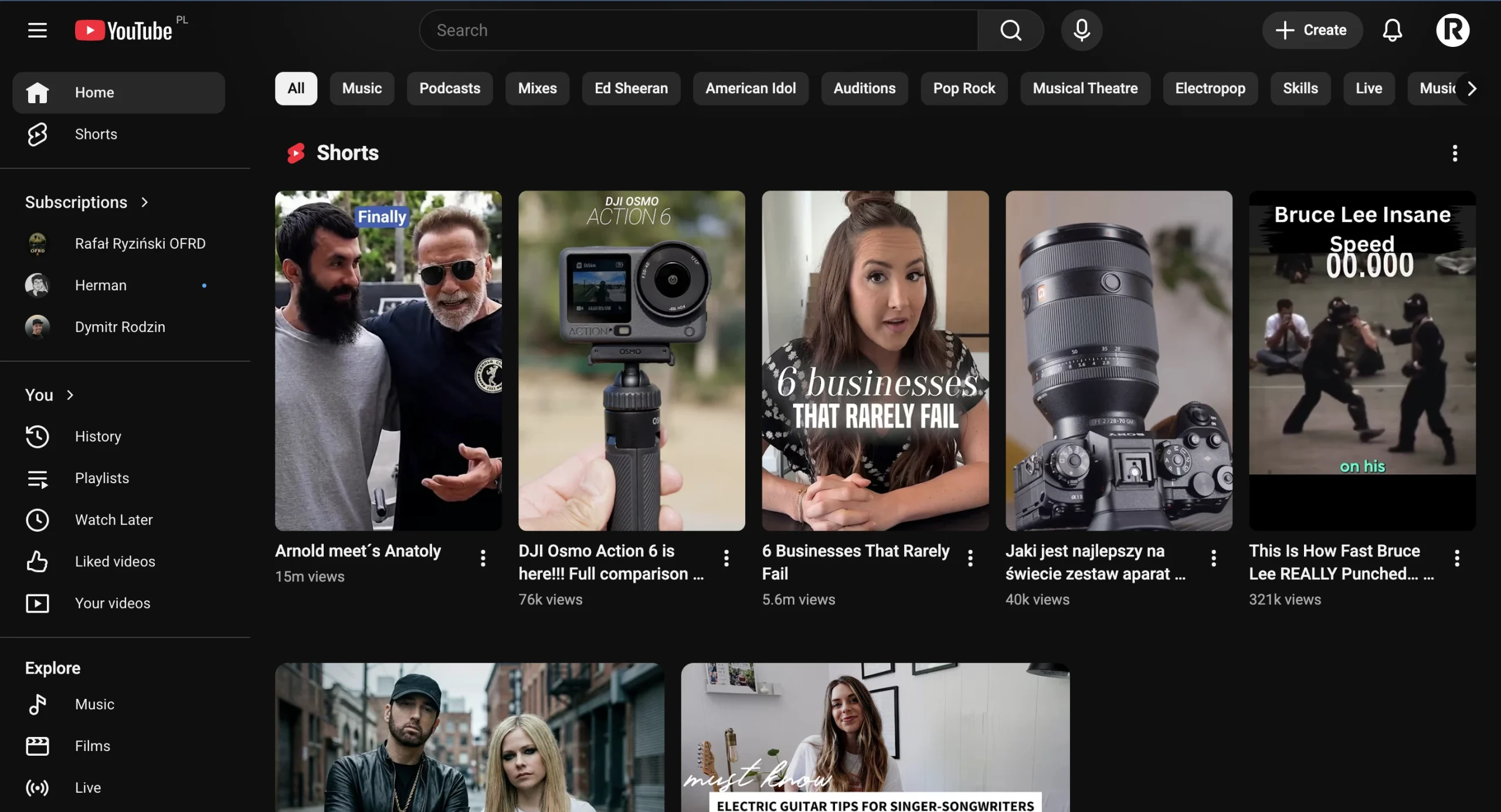
Are you uploading to the #Shorts section? To increase the visibility of your videos in YouTube Shorts, focus on eye-catching video titles and make sure the very first seconds hook viewers and encourage them to keep watching. Remember that the algorithm doesn’t just look at view counts, but also how long viewers watch and how long they stay on your video, and how often they interact with it.
It is also worth using relevant keywords in the video titles and video descriptions to help the algorithm match your YouTube content to user interests. By creating engaging YouTube Shorts and optimizing them for the YouTube Shorts algorithm, you can significantly increase the reach of your short-form videos on YouTube.
The history of the YouTube algorithm
The history of changes to the YouTube algorithm is the story of a rapidly evolving platform that constantly adapts to rising user expectations and strives to deliver ever more personalized video recommendations. The goal is always the same: to give users the best possible experience so they keep coming back and spend more time on YouTube and keep watching longer.
A brief history of the YouTube algorithm – from the beginning to today
YouTube’s recommendation system was introduced in 2005, when the platform began to grow rapidly. Initially, YouTube relied on manual indexing and basic sorting of video content. However, as the number of videos and users exploded, it became necessary to introduce more advanced tools to manage this huge volume of uploads.
In the following years, especially in the second decade of the 21st century, the YouTube algorithm underwent many changes to better respond to user needs and expectations. The introduction of personalized YouTube recommendations, taking longer videos and overall video length into consideration, and analyzing user behavior and preferences have all made YouTube an increasingly powerful tool for shaping the viewing experience.
Early personalization – One of the first factors the algorithm considered was a user’s watch history. By analyzing what someone had watched before, YouTube was able to deliver better video suggestions and personalize the YouTube homepage.
How the YouTube algorithm evolved?
The rules that govern how the YouTube algorithm works change practically every day, although most of these updates are small and do not drastically affect YouTube creators. Still, looking at the history of major changes, several key stages clearly show how dynamically the platform has developed:
- Early days (2005–2006) – In YouTube’s first years, the algorithm relied mainly on metadata provided by users and used basic indexing principles.
- First personalization steps (2010–2011) – As the platform grew, YouTube introduced the first personalization features. The YouTube algorithm began to consider watch history, user behavior, and content preferences to better match video recommendations.
- More complex algorithms (after 2011) – In the years that followed, the algorithm became increasingly sophisticated. With rapid tech advances and progress in artificial intelligence, YouTube was able to deliver far more personalized and precise suggested videos.
- Dynamic growth (today) – The modern YouTube algorithm focuses on even more accurate matching of YouTube content to user preferences. It analyzes not only watch history, but also how users interact with videos. It looks at a wide range of signals to recommend videos that best match a user’s interests, including factors such as length, language, and style, such as multiple audio tracks.
Can you trick the YouTube algorithm?
Trying to trick the YouTube algorithm might sound tempting, but in practice it is difficult and risky. The algorithm is constantly evolving, and YouTube’s engineers actively work to minimize manipulation and artificial boosting of video performance. Using shady tactics to “game” the YouTube algorithm can have serious consequences, including loss of visibility for your videos, or even having your account suspended or terminated.
Working with the YouTube search algorithm – how to optimize your videos and YouTube channel?
The YouTube algorithm looks at many different factors, and understanding them – and using them wisely – can significantly improve your YouTube channel’s reach and popularity. Optimizing for the algorithm not only helps grow your audience, but also shapes a positive perception of your channel among viewers.
Here are some steps you can take to stand out on YouTube:
- Channel optimization – Polish your YouTube channel. Use a professional logo, cohesive channel art, and properly filled-out “Contact” and “About” sections. High-quality, consistent branding and video content will attract more viewers and positively influence how the algorithm evaluates your YouTube channel.
- End screens – Use end screens in your videos to direct viewers to other videos on your channel. End screens help increase watch time and keep viewers engaged, which usually leads to better performance in the algorithm’s evaluation and more video views.
- Grab attention from the start – Pay close attention to the first several seconds of your video. Hook viewers early and encourage viewers to keep watching, because the algorithm also looks at how quickly people watch and respond to your content through actions such as comments, likes, and shares.
- Average watch time – Aim for a strong average view duration. Create videos that are interesting, engaging, and keep people watching for as long as possible without losing viewers early.
- Watch time optimization – Encourage viewers to stay and watch for longer with compelling topics, plot twists, and direct interaction with your audience. The more time viewers spend watching your videos, the more favorably the algorithm will treat them.
- Clickbait titles and descriptions – Craft attractive titles and descriptions that trigger emotion and curiosity, but always keep them relevant to the actual content. Avoid misleading or purely shocking headlines that have nothing to do with what’s on your channel.
Eye-catching YouTube thumbnails – how to increase your click through rate?
YouTube thumbnails are one of the main elements that determine whether a user clicks on your video in search results or on the YouTube homepage. A well-designed thumbnail can make your video stand out from hundreds of other videos and dramatically increase your click through rate.
How can you achieve this? Use bright, high-contrast colors, clear and readable fonts, and visuals that immediately signal what the YouTube video is about. Your thumbnail should match the content of the video and clearly communicate what viewers can expect.
Don’t forget about the role of relevant keywords, either. By using them in your video titles and video descriptions, you increase your chances of better visibility on YouTube and in Google search results.
Experiment with different thumbnail versions, track their performance in YouTube Analytics, and double down on the top-performing videos. Remember: the thumbnail is often the first contact a user has with your video. Make sure it is as attractive and clickable as possible.
Building your YouTube channel’s reputation
A strong YouTube channel reputation is the foundation of long-term success and a key factor in increasing the visibility of your videos. To build trust and loyalty among viewers, be consistent in producing high-quality, engaging video content that addresses the needs and interests of your target audience. Regular uploads and a consistent posting schedule make viewers more likely to come back, watch more videos from the same creator, and recommend your channel to others.
Actively building relationships with your audience is just as important. Reply to comments, ask questions, and encourage viewers to join discussions under your videos. These actions boost viewer engagement and improve how the YouTube algorithm perceives your channel, leading to your videos being pushed to more viewers.
It is also a good idea to regularly review your statistics in YouTube Analytics to better understand your audience, monitor how your videos perform, and adjust your strategy in real time to match viewer expectations. This way, your channel will not only become more visible, but will also be seen as a valuable source of video content on YouTube, much like strategies for social media algorithms on other platforms.
YouTube’s search algorithm and users – how does it shape the platform?
User preferences, user behavior, and expectations play a major role in how the YouTube algorithm works and how YouTube recommends videos. Data about what people watch, how long they stay on a particular video, and which videos they comment on are crucial for building video recommendations. The algorithm uses this information to better tailor suggestions to individual needs and show users content and channels they are most likely to be interested in, including the next video or even older videos.
Read also: TikTok Algorithm | How It Works and How to Optimize It?
How strongly do YouTube’s algorithms radicalize us?
Although YouTube’s algorithms are designed to serve personalized YouTube content, they can also contribute to a degree of viewer radicalization. Recommendation mechanisms built around detailed user behavior analysis can lead to the creation of so-called “filter bubbles,” where users are exposed mainly to similar videos or the same type of content, reinforcing their existing views, while limiting exposure to different perspectives like related videos. It is worth being aware of these dynamics and approaching online content with a healthy dose of critical thinking, ideally by seeking information from a variety of sources beyond YouTube.
YouTube algorithms in practice – examples
YouTube’s suggested videos algorithm determines which content is shown to millions of users every day. It recommends your videos to people who have shown interest in similar topics, based on their watch history and interactions, such as watching multiple videos. Here are some examples that clearly show how YouTube’s algorithm affects the popularity and reach of video content on the platform.
Gaming and entertainment
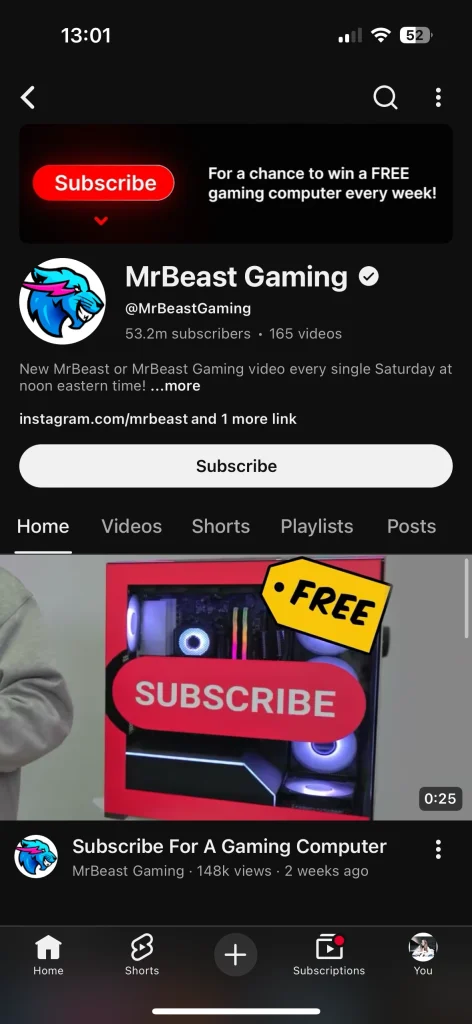
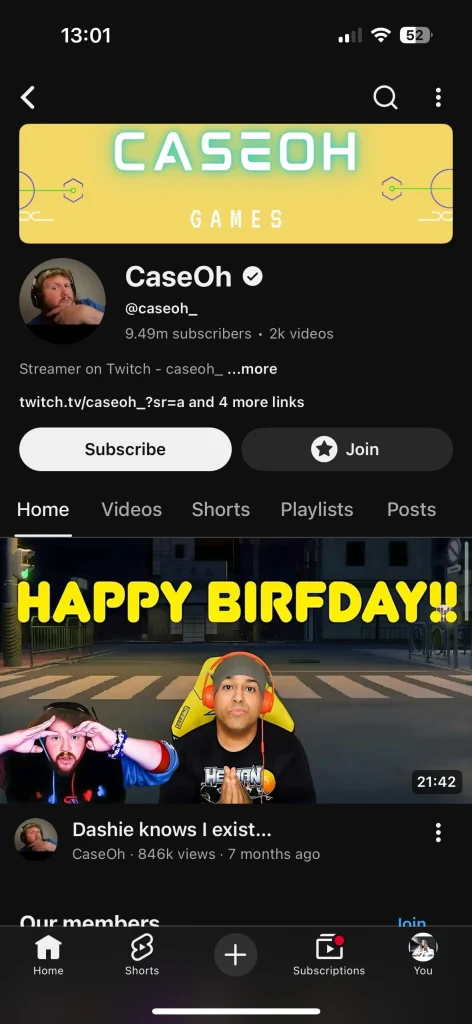
Gaming channels enjoy massive popularity on YouTube. The algorithm takes into account both the length of viewing sessions and the activity of the community around a given channel. It measures engagement such as comments and likes to better tailor recommendations and push gaming-related videos to viewers who are most likely to enjoy them, often suggesting videos from the same creator.
Music
For musicians and cover creators, YouTube’s algorithms look not only at total view count, but also at how people watch and respond to the content: likes, shares, and comments. The algorithm promotes videos that successfully hold attention and encourage viewers to keep listening and watching longer videos, which affects how often they appear in video suggestions.
Need help creating content for YouTube?
Do you want YouTube to recommend the videos you publish, but don’t know where to start or how to get viewers to interact? Or maybe you upload a video and it quickly gets buried under tons of competing content? Work with the Rodin marketing agency! Our digital marketing specialists will help you increase your video reach, optimize titles and descriptions, even add subtitles, and make sure your YouTube channel starts getting in front of new viewers across platforms like smart TV and social media.